Socca Flatbread!

socca flatbread

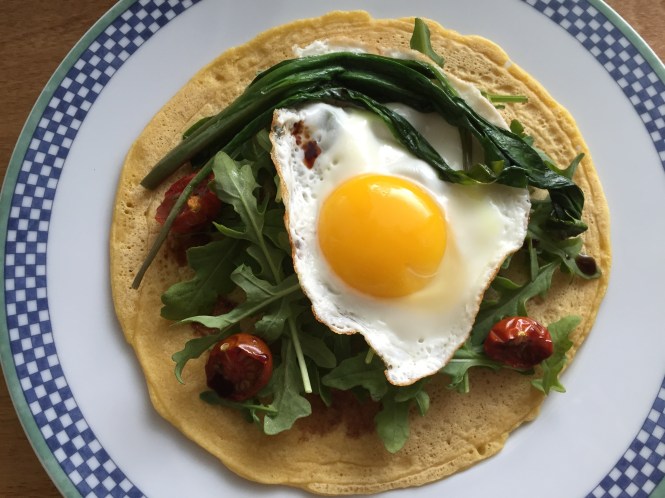
Socca originates from Provence, France and the neighboring region of Liguria, Italy. It is similar to a large pancake, but savory and naturally gluten-free. These can be topped with just about anything and are a great brunch idea. On this particular day, I was making them for breakfast, so I added an egg, ramps, arugula, and roasted tomatoes with a little balsamic drizzle. Be sure to add enough oil to the pan, so that the socca will get crispy. Enjoy!

Ingredients:
2 ¼ cups chickpea flour
2 tablespoons olive oil, plus more for cooking
Salt

1. Whisk together chickpea flour, olive oil, and 2 cups of water. Season with 2 big pinches of salt.
2. Heat an 8-inch nonstick pan over medium-high heat. Add 1-2 tablespoons of olive oil and when hot, add in about ¼ cup of the batter. Cook for 3-5 minutes, or until the bottom is crispy and the top is almost set. Carefully flip the socca and cook for another minute.
3. Transfer to plate and repeat with remaining batter.
4. Add desired toppings and serve.

Home-brewed Kombucha!

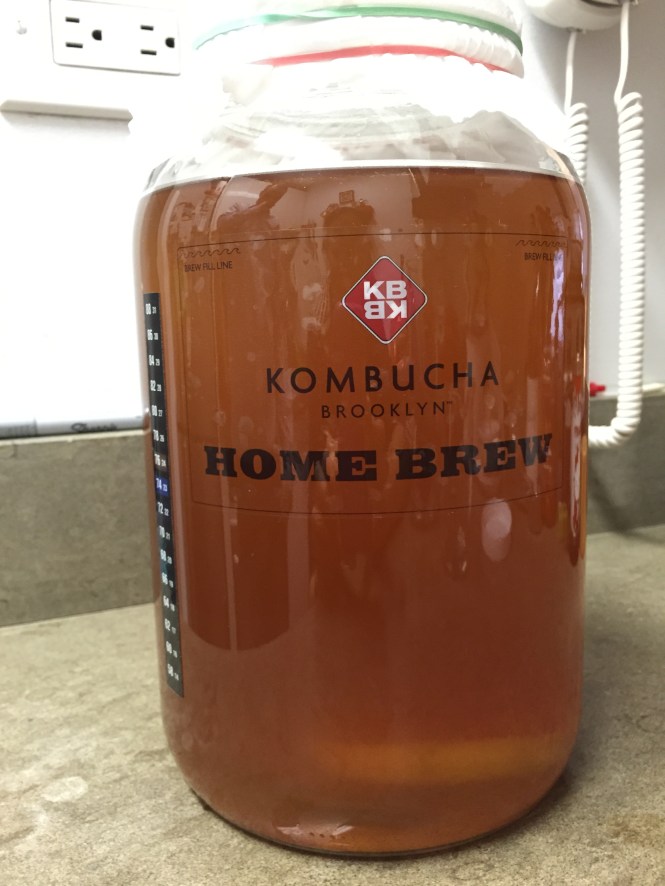
kombucha_ready to brew

Like many other health foods, I was first introduced to kombucha while attending the Natural Gourmet Institute. We were learning about the benefits of living foods, including fresh/raw, sprouted, fermented, and dehydrated foods. Fermented foods were of particular interest to me when I learned that they introduce beneficial bacteria (probiotics) into your digestive system that have been shown to slow or reverse some diseases, aid digestion, and boost immunity. In order to nourish or feed the probiotics, it’s important to eat plenty of prebiotics, which are abundant in fruit and vegetables. Through Kombucha 101 class I also learned that it’s not just the probiotics that we benefit from, it’s also the seven different acids created through fermentation that are beneficial to the body. These acids help detoxify the body, balance a number of critical systems, and increase nutrient absorption, among other benefits. The microbes in kombucha transform the sugar and other compounds into highly accessible polyphenols and other antioxidants, B vitamins, vitamin C, organic enzymes, amino acids, and organic acids. Kombucha is a true superfood!

When I began to drink a bottle of kombucha on a daily basis, it started to get pricey at $4 or $5 a bottle, so the cost motivated me to learn how to make it myself. The SCOBY, symbiotic culture of bacteria and yeast, kind of freaked me out, but after taking the Kombucha 101 class at Kombucha Brooklyn (located in Kingston, NY), I realized that the scoby is a beautiful living thing. With each batch of kombucha, a new scoby is produced, so you can give them to friends or family to begin their own brews. It’s kind of an amazing process and I’m so happy that I’ve begun to make my own. Brewing kombucha is surprisingly easy! I found the Kombucha! book by Eric and Jessica Childs to be incredibly helpful. I purchased this kit to start: http://www.kombuchabrooklyn.com/kombucha-home-brewing-kits/kbbk-super-kit.html.

Once you start brewing, all you really need to buy are tea and sugar to continue the process. This recipe is adapted from Kombucha Brooklyn’s recipe with some of my additional notes. It takes you through the primary fermentation process. In order to carbonate your kombucha, secondary fermentation is necessary. You can also experiment with flavoring. I’ve only gone as far as putting some sliced ginger in bottles, which I enjoyed. The book provides more guidance on this process and also if you can make it to Kingston, NY, I really loved the Kombucha 101 class. It definitely made me feel more confident that I could successfully brew my own at home. They also offer more advanced classes for brewing kombucha which I may look into once I become a primary fermentation pro 🙂

Equipment:
1 gallon glass brew jar
Cloth cover and rubber bands
temperature strip
6 – 16 oz glass bottles

Ingredients:
SCOBY with starter liquid
1 cup organic evaporated cane sugar
12 oz. tea bag (black, white, and green tea blend)

Procedure:

1. Boil 4 cups of filtered water.
2. While the water is boiling, clean the brewing area, jar, hands and utensils and make sure the items are well-rinsed and free of soap residue.
3. Steep tea bag in hot water for 20 minutes, making sure to stir the tea every 5 minutes.
4. Remove tea bag and stir sugar until fully dissolved.
5. Add 2 quarts of cold filtered water to the gallon brew jar; add the sweetened tea. Stir.
6. Stick the temperature strip on the side of the brew jar and make sure the temperature is below 90 degrees before adding the scoby with its starter liquid (a temperature of 90 and above could kill the scoby)
7. Cover the jar with the cloth cover with 2 rubber bands (in case one breaks). Make sure the cover is pulled tightly over the rim of the jar to prevent contamination/fruit flies.
8. Keep the brew jar in a warm environment between 72 and 80 degrees, avoiding direct sunlight. If your home is not warm enough, you can buy a small heating mat to either wrap around or put under the jar, depending on how cool your home is.
9. Within 2-4 days, you should see a new scoby developing on the surface.
10. You should start tasting your kombucha by day 7 to see where it’s at and whether or not you want to continue fermenting. This is really a matter of personal preference. Also, remember that your kombucha will ferment faster at warmer temperatures. In order to taste, you can use a clean shot glass to gently push the scoby down and scoop a little from the surface.
11. Once your kombucha is to your taste, you’re ready to bottle. Remove the original and new scoby and 2 cups of kombucha to use for your next batches. If you don’t plan to make a new batch right away, place these in an airtight glass container in the refrigerator. The original and the new scoby can each be used to make their own batches.
12. For bottling, I used a funnel for my first batch and that was a little messy. For the second batch, I may invest in an auto siphon to avoid spillage. Place bottles in the fridge, unless you plan to continue into secondary fermentation.
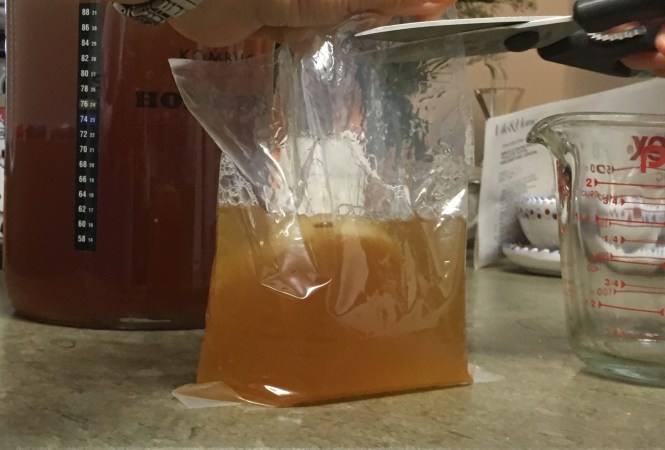
scoby and starter

If you’re buying a scoby, it will come in a plastic bag with starter liquid.

new scoby_first batch

In my first batch of kombucha, the original scoby was vertical and the new scoby developed at the surface, as it should.
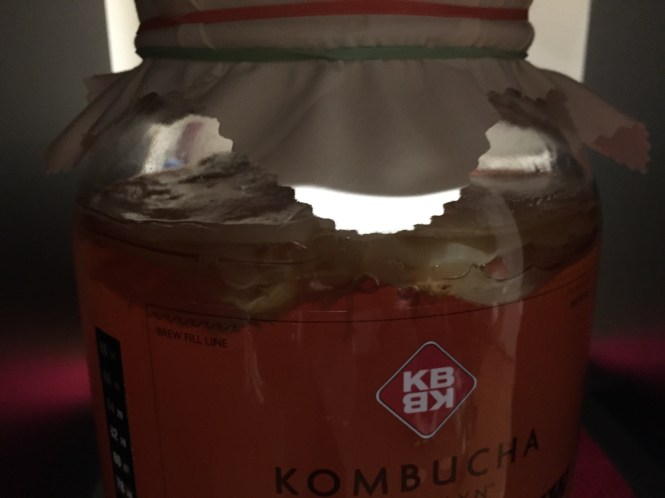
new scoby_second batch

In my second batch, I used the new scoby that was created from the original. This new scoby sat at the top and another scoby is developing right on top.
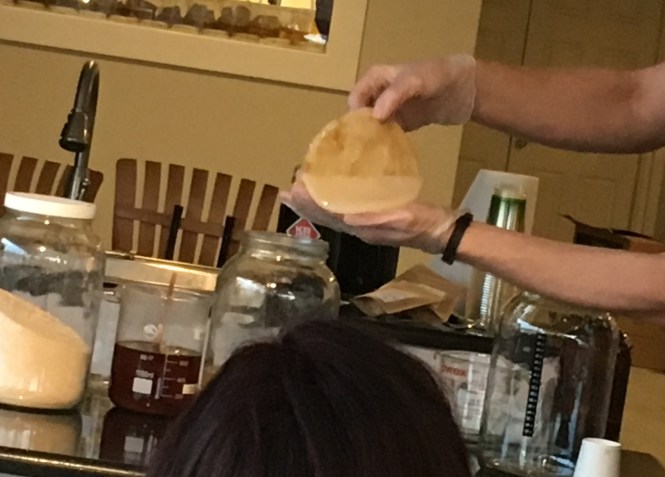
new scoby

This is a photo from class: Eric Childs at Kombucha Brooklyn is removing his picture-perfect new scoby on top from the original one. Exciting stuff!

Happy brewing!!
 

Shiitake-Ginger-Miso Soup!

shiitake-ginger-miso soup

I made this soup today in an attempt to beat the sniffles, but even if you’re not fighting a cold, it’s really delicious and soothing. If you prefer not to eat the ginger, you can peel and leave in large chunks so that they can easily be removed later. Boost your immune system with the help of shiitakes, garlic, and ginger in addition to the healing powers of miso. Add some leafy greens to the pot before serving for extra vitamins!

Ingredients:
1 tablespoon avocado oil or olive oil
2-3 inch piece of ginger, peeled and finely chopped
1 onion, diced
1 head of garlic, peeled and minced
3 carrots, diced
10-12 fresh shiitake mushrooms, sliced
¼ cup white miso paste
1 head of roasted garlic, peeled and mashed
Directions:
1. In a large dutch oven, heat oil over medium heat and saute ginger and onion until onion is translucent.
2. Add raw garlic and carrots; saute for a minute before adding 1.5 quarts of water.
3. Bring to a boil, add mushrooms, and lower heat, cover, and simmer for 20 minutes.
4. Remove pot from heat and add miso paste, making sure all of the miso is dissolved.
5. Add roasted garlic paste and stir well.

Matcha Spinach Smoothie!

matcha spinach smoothie

This morning, I was in a rush to meet friends to go to the beach, so I didn’t have time to cook breakfast. Improvising with what I had in the fridge, I came up with this smoothie which I was really happy to take on the train 🙂 Matcha green tea is rich in catechin polyphenols, which are compounds with high antioxidant activity. The green tea powder has a strong flavor that is mellowed out with the addition of banana, coconut water, and almonds. It also seems like a lot of spinach but you honestly can’t taste it. This yummy smoothie packs in 2 servings of fruit, 2 servings of veggies, and also 10 grams of protein!

Yield: About 3 cups

1 ½ cups coconut water
1 teaspoon matcha green tea powder
1 banana
1/3 cup raw almonds
2 cups fresh baby spinach
ice cubes (optional)

1. Combine all ingredients in powerful blender and blend until smooth. Enjoy!

Quinoa Tabouli!

tabouli

Quinoa is one of the few plant-based, complete protein foods, which means that it contains an adequate proportion of all nine essential amino acids. Some of the vitamins and minerals that are abundant in quinoa include vitamin E, B vitamins, zinc, potassium, phosphorus, magnesium, and iron. It’s a great source of protein, with a half-cup serving providing 4 grams of protein! This superfood is used instead of the traditional bulgur (cracked wheat), which makes it ideal for a gluten-free diet. Tabouli is one of my favorite dishes to make and is so refreshing with lots of parsley, mint, and lemon.

1 cup quinoa, rinsed
1⁄2 cup lemon juice (about 3 lemons)
1⁄4 cup extra virgin olive oil
1⁄2 teaspoon sea salt
2 plum tomatoes, seeded and cut into small dice
1 bunch parsley, chopped
1⁄2 bunch mint, chopped
4 scallions, thinly sliced
4 ribs celery, cut into small dice
Sea Salt and pepper, to taste

1. Cook quinoa according to package instructions.
2. In large bowl, whisk together lemon juice, olive oil, and salt. While quinoa is still warm, toss with dressing. Let sit until it reaches room temperature.
3. Add remaining ingredients and mix well. Enjoy!

Bibimbap!

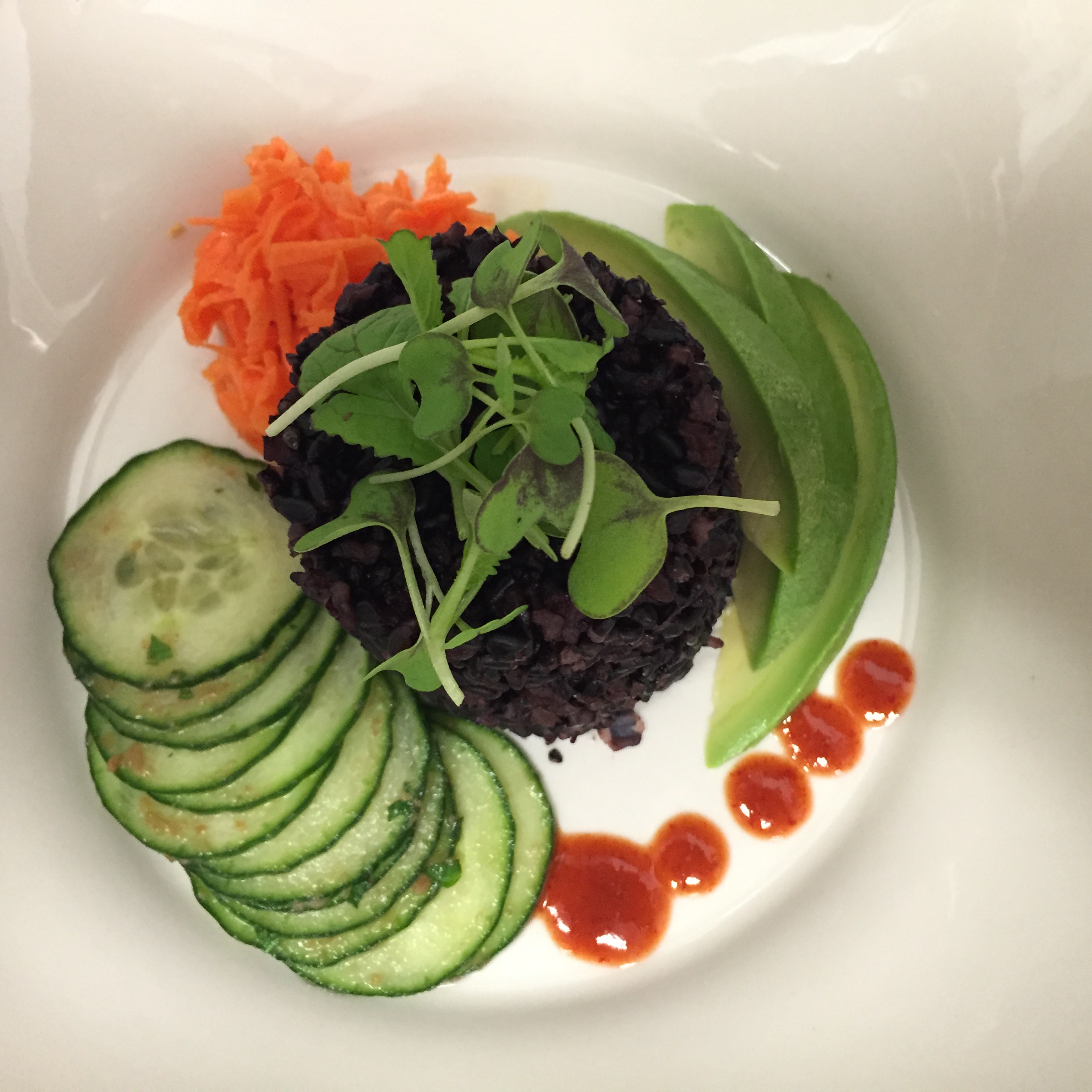
bibimbap

This is my modernized version of bibimbap, made with forbidden black rice. According to legend, this rice was only to be consumed by the emperors of ancient China and “forbidden” to the general public. Black rice has a sticky texture and slightly nutty flavor. Not only does it look beautiful, but it has the most protein of any type of rice and double the fiber of brown rice! When cooked, it turns a deep purple, indicating that it contains powerful phytochemicals that are believed to fight cancer, heart disease, and lower cholesterol. This superfood also contains more antioxidants than blueberries! Cook as you would any other type of rice.

Tonight, I also made a quick cucumber salad with an umeboshi dressing. Umeboshi paste is made from umeboshi plums that are pickled by packing them in sea salt and shiso leaves for about 6 months. In Asian medicine, they are used to treat various maladies. They are believed to relieve hangovers, stomach distress, morning sickness, and fatigue. Since they are high in sodium, they may not be ideal for anyone with high blood pressure.

Cucumber Salad with Umeboshi Dressing

Ingredients
1 tablespoon umeboshi paste
1 tablespoon mirin
8-10 mint leaves, finely chopped
1 english cucumber, thinly sliced

Directions
1. Whisk together the umeboshi paste, mirin, and mint in a large bowl.
2. Toss the sliced cucumbers with the dressing until the cucumbers are well coated.
3. Enjoy!

Matcha Green Tea Latte!

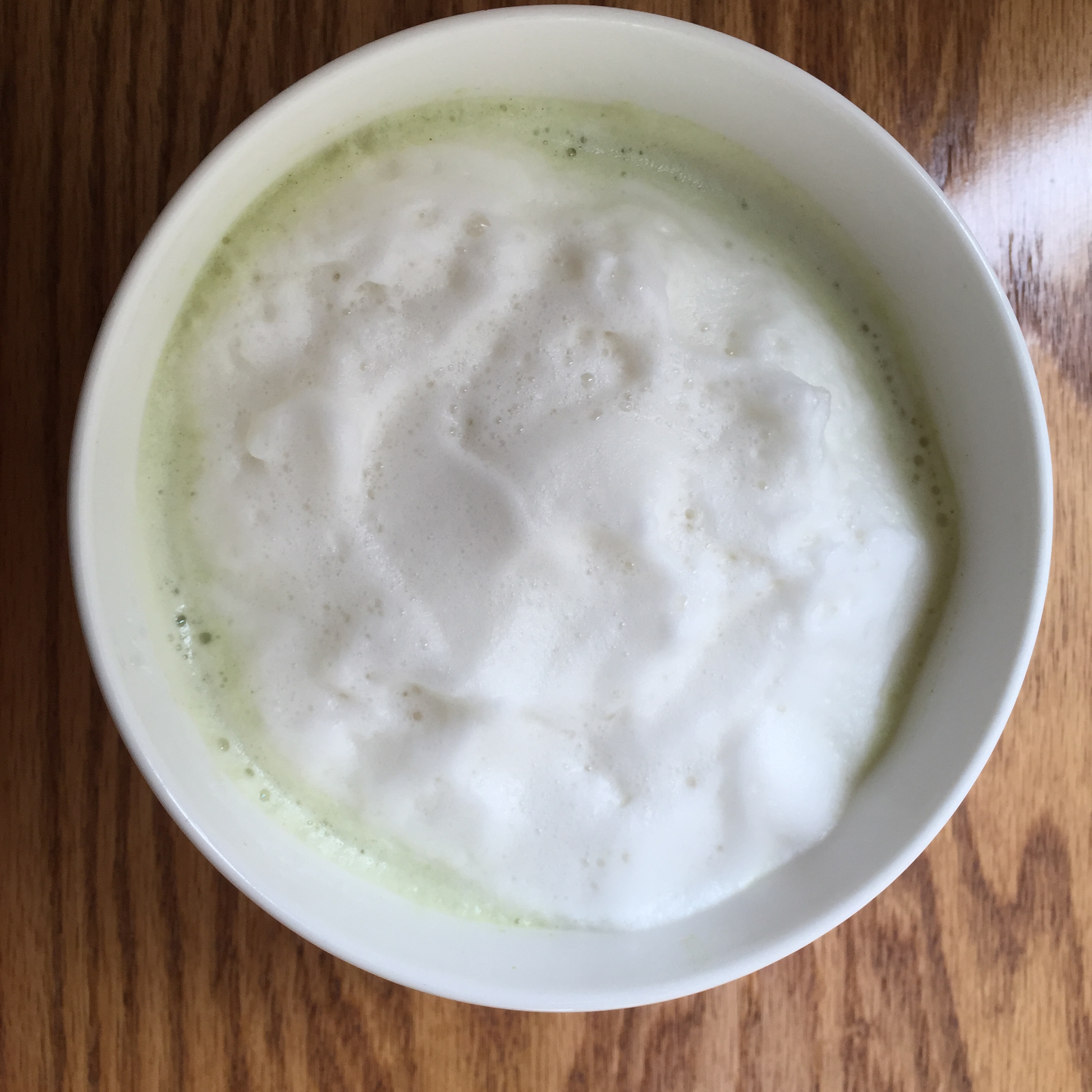
matcha latte

Lately, I’ve been avoiding drinking coffee since it doesn’t seem to agree with my stomach. Although I love the taste of coffee, I’ve been moving towards tea and love this matcha latte! After paying $7 for one at Teavana, I decided to start making them at home 🙂 Matcha green tea has higher levels of antioxidants than spinach and blueberries. One cup of it has the equivalent nutritional and antioxidant value as 10 cups of regular green tea! Since the matcha powder is consumed as compared to regular tea, where the leaves are discarded following brewing, the chlorophyll is said to detox the body and balance pH levels in the blood. Similar to coffee, matcha is high in caffeine, but rather than giving a short intense burst of energy, it gives a more sustained energy. It is also believed to lower blood pressure, improve memory, and reduce stress. Enjoy a soothing cup!

Ingredients:
½ – 1 teaspoon of matcha green tea powder, depending on how strong you prefer
1/3 cup of warm-hot, but not boiling, water
1 cup warm-hot almond milk or soy milk
Optional: 1 teaspoon honey or agave

Instructions
1. Whisk green tea powder and water in a small bowl until the tea is dissolved and top slightly
foams.
2. Stir in sweetener, if using.
3. Add warm milk to the top of the drink, filling the cup.(If you have a milk frother, froth the warm milk first, then pour.) If you don’t have a frother, you could pulse in a blender.

Cancer-Fighting Crucifers!

brussels sprouts

Brussels sprouts and wasabi are cruciferous plants, like kale and broccoli, which means that they have phytochemicals that have been shown to repair DNA cells and even block the growth of cancer cells. I usually simply roast brussels sprouts in the oven with olive oil, salt, and pepper, but when I came across this recipe with wasabi and miso, I was intrigued. The wasabi packs a punch and will surely clear your nasal passages! I love this recipe and have already made it a few times in the last month.

Brussels Sprouts Salad

Ingredients:

1 pound brussels sprouts

2 green onions, sliced

Miso Dijon Sauce:

1 tablespoon white miso

1 teaspoon Dijon mustard

2 teaspoons pure water

¼ teaspoon wasabi powder

1 teaspoon avocado oil 

Procedure:

1. Wash and slice Brussels sprouts into strips with chef’s knife. If you have a food processor, save time by running your sprouts through the shredder blade. Place them in large glass bowl.

2. In a small bowl, mix together sauce ingredients. Set aside.

3. Heat skillet to medium-high and then add oil. Place sliced green onion and brussels sprouts into pan. Sear veggies for 2 to 3 minutes and then stir. Sear another 3 minutes and then stir. Repeat one more time and remove from heat.

4. Fold in sauce. Serve warm.

My favorite green smoothie!

Happy New Year!! This is my go-to breakfast during the week. Not only is it quick to prepare and delicious, but it’s easy to transport to the office in a mason jar. It’s full of superfoods and a great way to start your day!

Bonus: No need for highly-processed protein powder! Pumpkin seeds are high in protein and this smoothie packs 17 grams of protein!

Superfood Smoothie

1 1/2 cups coconut water

1 ripe banana

1/4 cup pumpkin seeds (pepitas)

1 tablespoon chia seeds or flax seeds

1/2-1 teaspoon cinnamon

2 cups curly kale, de-stemmed (about 2-3 large leaves)

Blend all ingredients in Vitamix or other powerful blender. Enjoy!