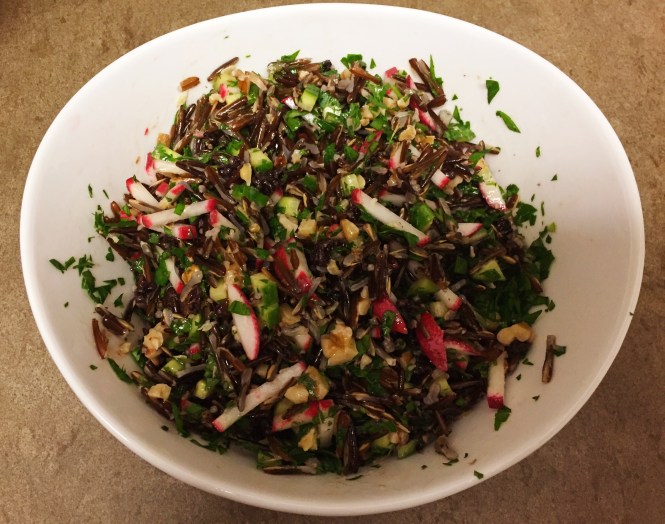
Wild Rice Salad!

wild rice salad

Wild rice isn’t actually rice, but the seed of a type of marsh grass. Similar to brown rice, it has a nutty flavor, but has more protein, fiber, iron and copper than brown rice. The addition of cucumber, radishes, and parsley to the wild rice lighten it up and make it a refreshing side dish. Enjoy!

Ingredients:

Salad:
1 cup wild rice
1 persian cucumber, chopped small
6 small radishes, julienned
½ cup currants
½ cup walnuts, chopped
½ bunch parsley, chopped
sea salt to taste

Dressing:
2 tablespoons brown rice vinegar
1 tablespoon fresh lime juice
1 teaspoon dijon vinegar
3 tablespoons olive oil
sea salt to taste

Procedure:

1. Cook wild rice according to directions and allow to cool.
2. In a large bowl, whisk together dressing ingredients.
3. Add salad ingredients to dressing and mix until evenly distributed.

Lemony Chickpea Salad!

chickpea-salad

We’ve been experiencing spring-like weather in NYC these days which puts me in a salad mood. This is a refreshing chickpea salad, using minimal ingredients and is great over crunchy chopped romaine or as a side dish or even as a topping on your avocado toast. To bulk it up for a more filling meal, you can add quinoa to the mix. Enjoy!

Ingredients:

1- 29 ounce can of chickpeas, drained and rinsed OR about 3 cups cooked chickpeas
10-12 black sicilian oil-cured olives, pitted and thinly sliced
1 lemon, zested and juiced
1 shallot, finely chopped
2 tablespoons of freshly chopped parsley
salt
pepper
olive oil

Procedure:

1. Mix the first 5 ingredients in a large bowl.
2. Lightly mash chickpeas with a fork, leaving most of the chickpeas whole.
3. Add salt, pepper, and olive oil to taste

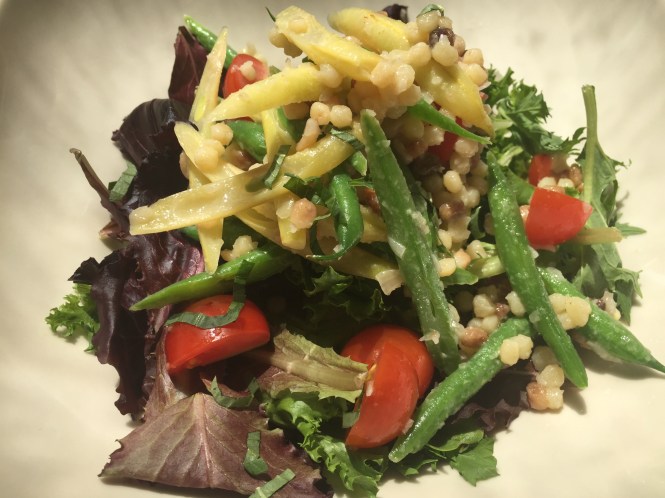
Summer Bean Salad with Fregola!

summer bean salad with fregola

Fregola is an oven-toasted Sardinian pasta, shaped like little pearls. A special pasta-making method, using bronze drawplates give it a rough, porous texture that captures sauces and dressings very well. If you can’t find fregola, you could substitute Israeli couscous. This shallot dressing is so delicious, as the shallots are cooked slowly in oil to bring out their natural sweetness. Be sure to mix in the dressing while the pasta is still warm, as it will be better absorbed. This is the perfect summer salad to bring to your next barbecue or potluck!

Ingredients:

Dressing:
2 large shallots, chopped
¼ cup avocado oil
1 tablespoon apple cider vinegar
2 tablespoons vegetable broth
1 teaspoon dijon mustard
1 teaspoon honey
¼ teaspoon salt

Salad:
1 cup fregola
½ pound green beans, trimmed and blanched
½ pound yellow wax beans, trimmed and blanched
½ cup cherry or grape tomatoes, halved
1 tablespoon chopped fresh basil
½ teaspoon salt

Directions:
1. For the dressing: Place the shallots and avocado oil in a small saucepan over low heat and cook gently until completely soft, about 15 minutes. Remove from heat and let cool to room temperature.
2. In a food processor, add the cooled shallots and oil, the apple cider vinegar, broth, mustard, honey, and salt. Pulse until the shallots are finely chopped and the dressing is thick. Set aside.
3. For the salad: Bring a medium pot of salted water to a boil over medium-high heat. Add the fregola and cook for 8-9 minutes or until cooked through. Drain well, then place in a large bowl. While the fregola is still warm, add the dressing and toss to coat. Allow the fregola to cool slightly before adding the green beans, wax beans, tomatoes, basil and salt; toss gently to coat.

fregola

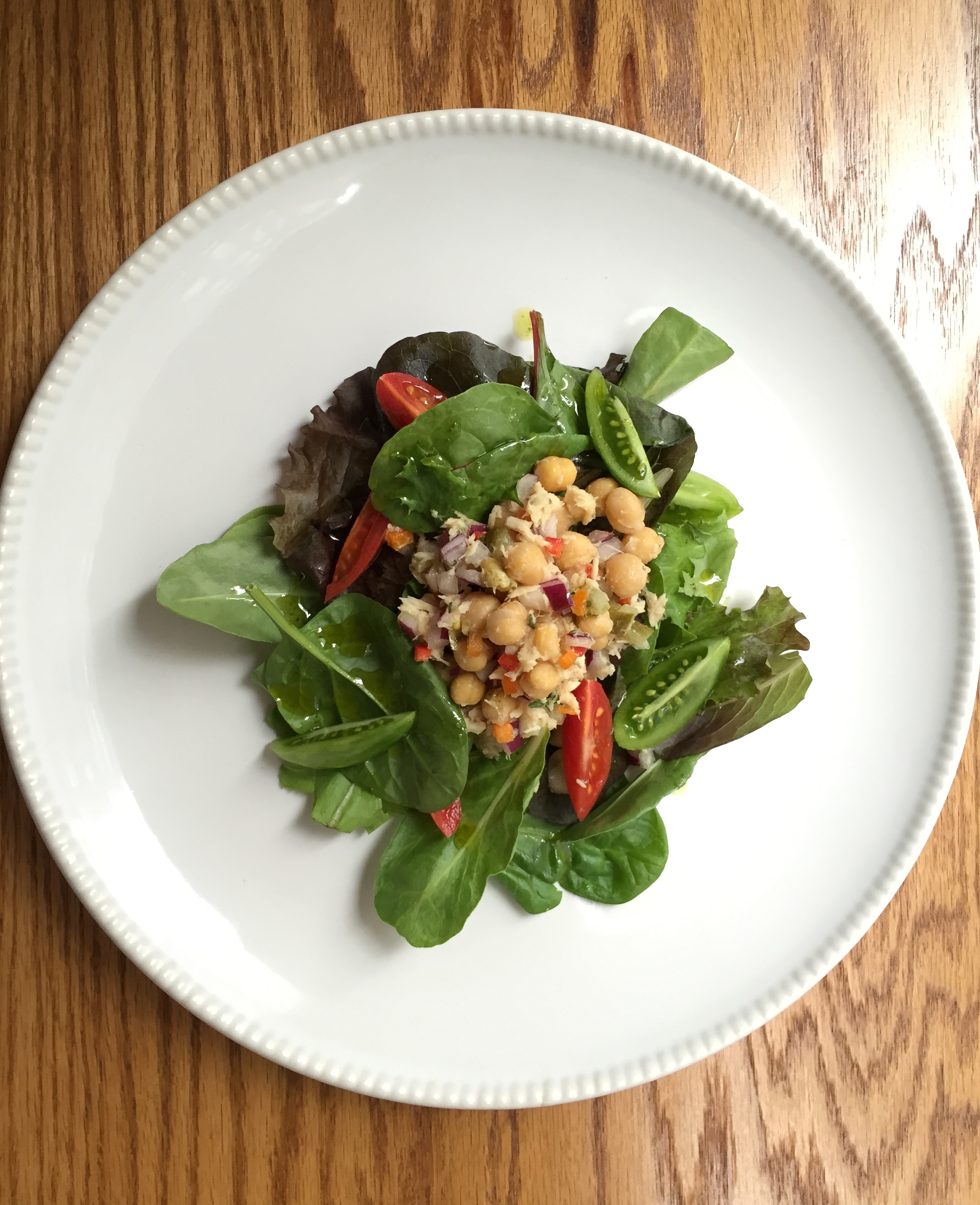
Chickpea-Tuna Salad!

chickpea-tuna salad

I’ve been enjoying this chickpea-tuna salad as part of the salads that I bring to work this week. I love the addition of pickles and rosemary in here and it would be just as delicious if you substituted in capers and minced parsley. Tuna is a perfect lean protein to always keep stocked in your pantry. Not only is it rich in omega 3s, but it is also a good source of niacin, a B vitamin that is believed to maintain HDL (good cholesterol) levels. Hope you’ll enjoy it!

Ingredients:
2 tablespoons lemon juice (about 1 lemon)
1 tablespoon pickle juice
zest of lemon
3 tablespoons olive oil
1 teaspoon dijon mustard
1/2 teaspoon sea salt

1 cup dried chickpeas, soaked overnight and cooked, or a 15.5 ounce can of chickpeas
7 ounce can of tuna, drained and flaked
1 orange or red bell pepper, finely diced
1 cup finely chopped red onion (about 1 small red onion)
½ cup finely chopped pickles
1 teaspoon finely chopped fresh rosemary

Procedure:
1. In a large bowl, whisk together lemon juice, lemon zest, olive oil, dijon mustard, and sea salt.
2. Add remaining ingredients, ensuring dressing is evenly distributed.
3. Enjoy!

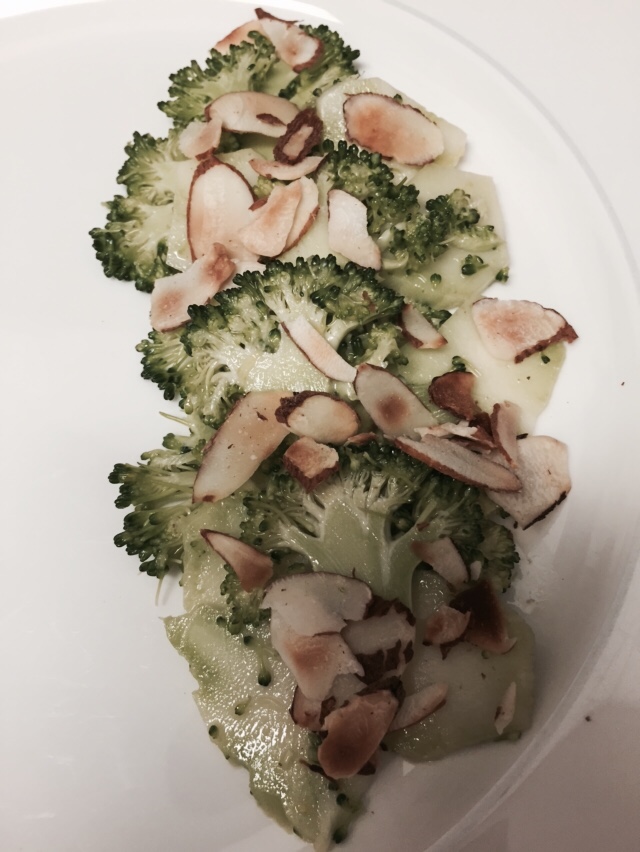
Broccoli Carpaccio!

broccoli salad

This recipe does not require cooking and comes together very quickly, making it ideal for summer. I personally love broccoli stems and for this recipe, be sure to trim and peel them before slicing thin. Broccoli is packed with phytochemicals that boost the immune system and antioxidants that fight cancer. While the toasted almonds are optional, they really add a nice earthy flavor and crunch on top. Enjoy!

1 tablespoon white wine vinegar
1 lemon, zested
1 tablespoon freshly-squeezed lemon juice
2 teaspoons dijon mustard
½ teaspoon sea salt
pinch freshly ground black pepper
¼ cup olive oil
1 pound broccoli, rinsed, trimmed, and sliced thinly (using mandolin or food processor)
sliced almonds, toasted (optional)

1. Whisk together the vinegar, zest, lemon juice, mustard, salt, and pepper in a large mixing bowl. While whisking constantly, gradually add the olive oil until uniform.
2. Add broccoli and toss to coat. Cover and place in the refrigerator at least an hour before serving.
3. Before serving, toss again. Sprinkle with toasted almonds.

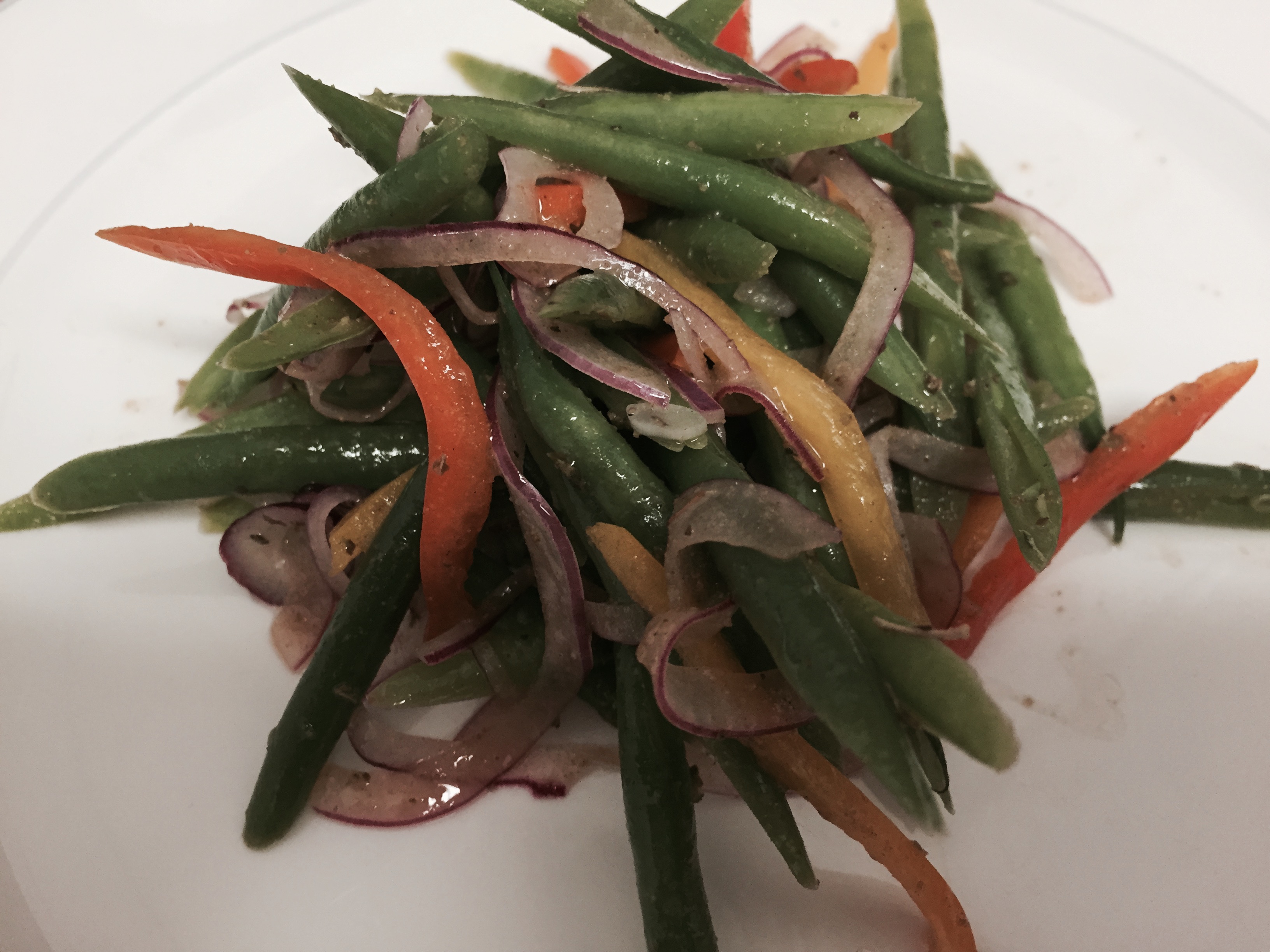
Haricot Vert Summer Salad!

green bean salad

French green beans are sweeter, crispier, and more elegant than ordinary green beans. They are also full of fiber, protein, iron, calcium, and various other vitamins and minerals. Slicing them on a sharp bias is really beautiful but also allows the beans to really absorb the delicious dressing. This is one of my favorite recipes that I had made many times years ago and had forgotten about, until I had an abundance of haricot vert. Enjoy!

1 pound french green beans
5-6 mini bell peppers, thinly sliced
1 medium red onion, thinly sliced
¼ cup avocado oil or EVOO
3 tablespoons red wine vinegar
1 teaspoon dried oregano
2 teaspoons ground cumin
½ teaspoon sea salt
¼ teaspoon freshly ground pepper

1. Bring a large pot of water to a boil and add green beans. Cook for 1 minute. Remove and place in large bowl of ice water until cool. Drain well. Slice each green bean on the bias into 2-3 pieces, based on size.
2. In a large bowl, whisk together oil, vinegar, and spices.
3. Add green beans, bell peppers, and onion to dressing and toss until evenly distributed. Let stand at room temperature at least 15 minutes and toss again before serving.
Zucchini Noodles with Garlic Scape Pesto!

Garlic Scapes Pesto

Garlic scapes are the flower stalks that spring out of the garlic bulb and impart a milder garlic flavor. They are harvested at this time of year so that they won’t drain nutrients from the garlic bulbs that will be dug up in a couple of months. Similar to garlic, they are high in antioxidants, believed to have anti-cancer properties, and strengthen the immune system. Zucchini noodles are such a nice no-cook summer dish and they absorb the pesto beautifully. Leftover pesto can be used in numerous ways, such as a spread on toasted baguette, tossed into a pasta with heirloom tomatoes, mixed into scrambled eggs, or spread on pizza. Unlike basil pesto, this will not brown, so it will maintain its vibrant green for the week!
1 zucchini, spiralized or julienned

Pesto:
1 cup garlic scapes, trimmed and thinly sliced crosswise (about 1/3 lb)
¼ cup pine nuts
½ cup olive oil
¼ cup freshly grated pecorino romano or parmesan
Salt and pepper, to taste

1. Add the scapes and pine nuts to the bowl of a food processor and pulse until everything is broken up a bit.
2. Then turn the processor back on, and with it running, add the oil a little at a time until it’s fully incorporated. 3. Add cheese, pulse, then season with salt and pepper to taste.
4. Mix 2-3 tablespoons into the zucchini. Enjoy!

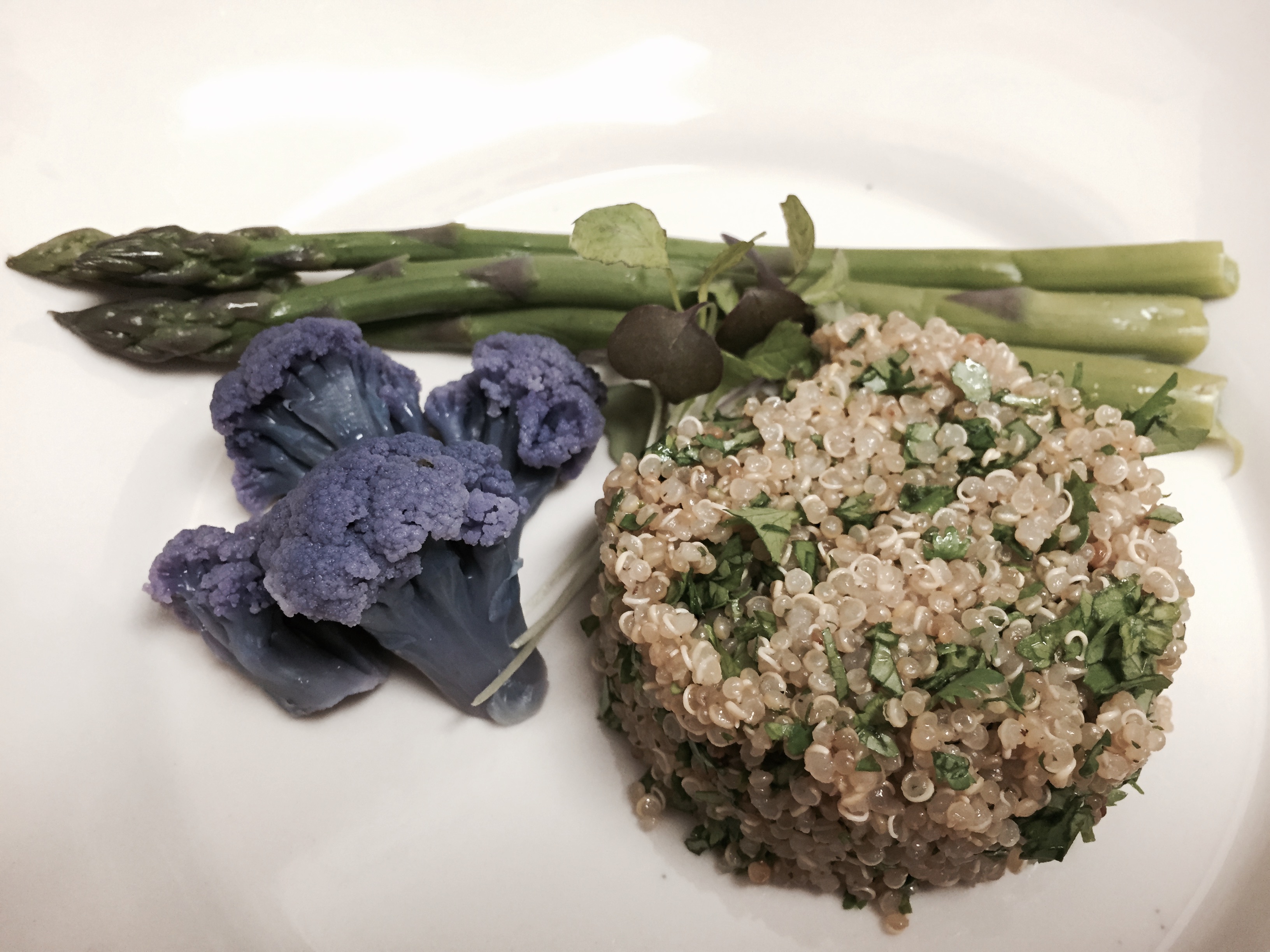
Cilantro Quinoa with Sumac Vinaigrette!

cilantro quinoa

Sumac is a reddish-purple spice that is commonly used in Middle Eastern cooking to add a tangy lemony flavor. The sumac bush produces deep red berries, which are dried and ground into this coarse powder. It was used to treat different ailments in medieval medicine. A tiny sprinkle adds tremendous flavor and pairs really well with cilantro in this quinoa salad. Sumac would also be great in hummus or sprinkled over grilled veggies before serving. Hope you’ll try this unique spice!

1 cup quinoa, cooked and cooled to room temperature
1 bunch cilantro, de-stemmed and chopped

Vinaigrette:
1 tablespoon apple cider vinegar
1/8 teaspoon sumac
1/8 teaspoon sea salt
few grinds fresh black pepper
2 tablespoons avocado oil or EVOO

1. In a large bowl, whisk together vinaigrette ingredients.
2. Add quinoa to vinaigrette and mix thoroughly, making sure to coat all of quinoa.
3. Add cilantro and mix again. Enjoy!

Rye Berry Pilaf with Balsamic Cherries & Hazelnuts!

rye berry pilaf with cherries and hazelnuts

I had never heard of rye berries before spotting them at my coop recently. And now I’m hooked! They are nice and chewy like freekah and wheatberries, as well as filling, since they are packed with a fiber called arabinoxylan (high antioxidant activity). Rye is also rich in selenium, phosphorus, magnesium, copper, zinc, and protein. The toasted hazelnuts add crunch and lovely savoriness to the salad. This would be great over spring greens and also as a hearty side dish. Enjoy!

INGREDIENTS

FOR THE BALSAMIC CHERRIES
8 ounces cherries
1 tablespoon butter
2 tablespoons balsamic vinegar

FOR THE PILAF
1 cup rye berries (or wheatberries), cooked
¼ cup hazelnuts
Salt to taste
1 to 2 teaspoons fresh thyme leaves or pinch of dried thyme, to taste
Freshly ground pepper

PROCEDURE
1. Preheat oven to 300 degrees.
2. Pit the cherries and cut in half.
3. Heat a medium or large heavy skillet over medium-high heat and add the butter. Add the cherries and sauté for 1 minute. Add the balsamic vinegar and cook no more than 1 minute. Transfer the cherries immediately to a bowl so that they don’t overcook. Set aside.
4. Place hazelnuts on baking sheet and toast in oven for about 20 minutes. When cool enough to handle, peel and roughly chop.
5. While the rye berries are still warm, combine with cherries, hazelnuts, thyme, salt, and pepper.

Balsamic Strawberry Salad!

balsamic strawberries

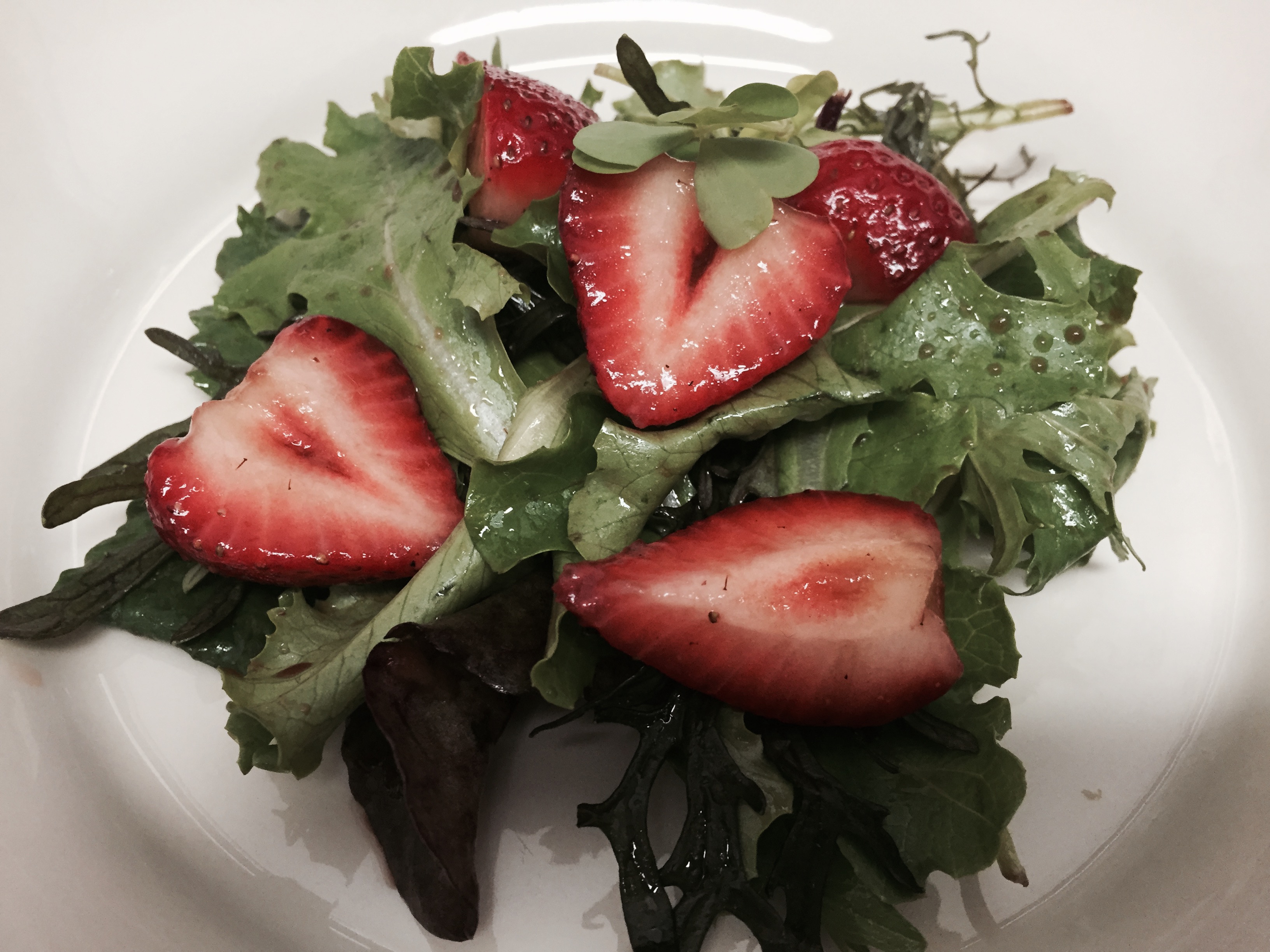
Rather than just eating an entire one pound carton of strawberries today, I chose to be a little more adventurous 🙂 A while back, one of my culinary friends suggested making a salad with balsamic vinegar and arugula. This recipe comes from Mark Bittman, who can always be trusted in the kitchen. The simplicity and freshness of the salad make it truly satisfying. Strawberries are a member of the rose family and the only fruit with its seeds on the outside. A single cup of strawberries provides more than 100% of the daily value of vitamic C as well as other powerful antioxidants. It’s important to buy organic strawberries, as conventional are grown with more pesticides than most other crops.

Makes 2 servings

1 cup strawberries, hulled and halved or quartered
1 teaspoon balsamic vinegar
freshly ground black pepper
2 cups mixed greens
sea salt
1 teaspoon extra virgin olive oil

1. Toss the strawberries with the vinegar and black pepper in a large salad bowl and let sit for 10 minutes
2. Add the greens, sprinkle with sea salt and toss again. Drizzle with olive oil and toss gently one last time.
3. Taste, adjust the seasoning, and serve. Enjoy!

Miso-Lime Dressing!

miso-lime carrots

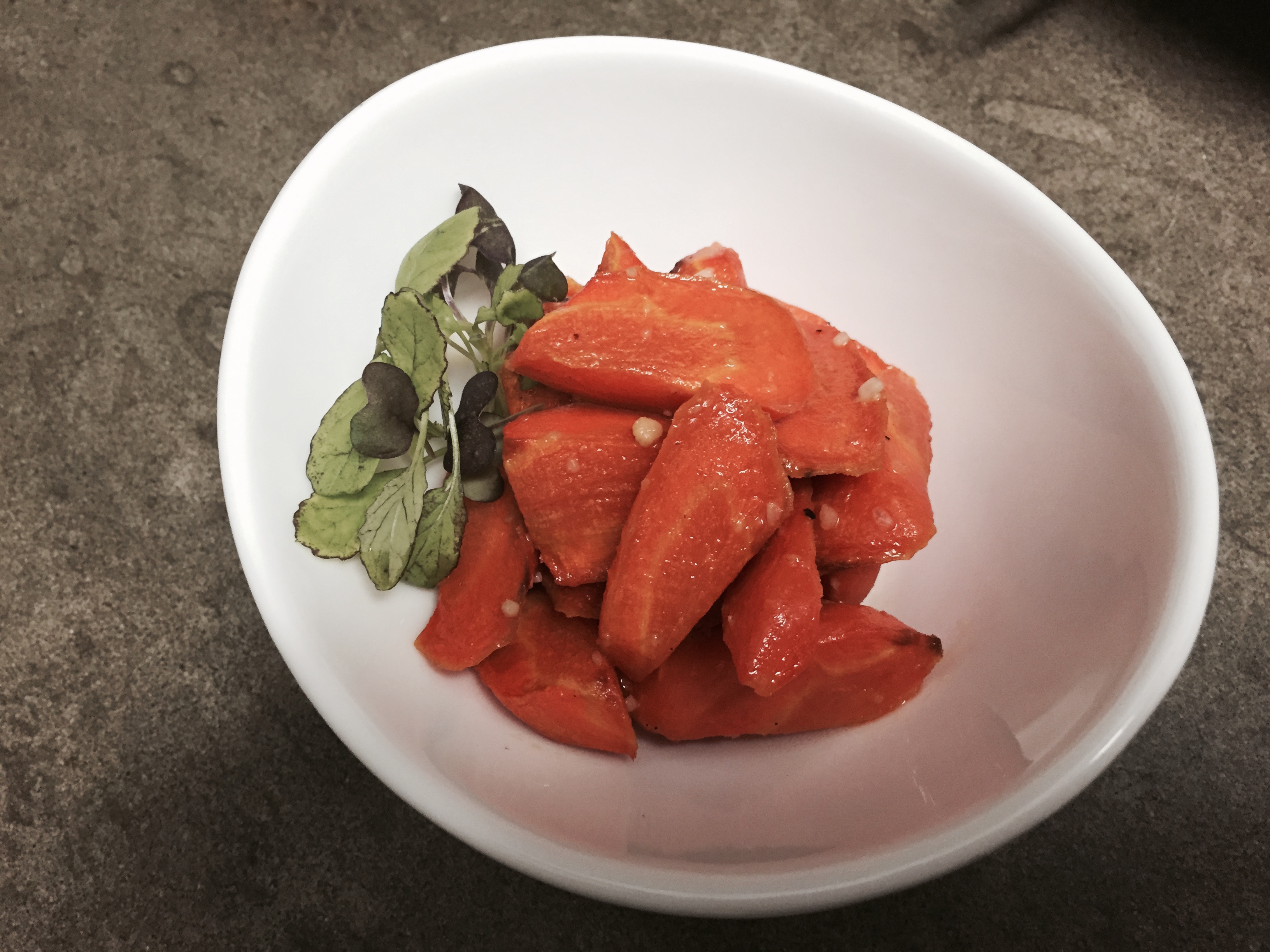
The combination of miso, lime juice, and walnut oil makes for a very unique and delicious dressing. Walnut oil is best used in dressings, as it loses flavor and nutritional value when heated. It is a good source of omega-3 fatty acids, which aid in memory and overall brain function. Walnut oil is also high in ellagic acid and antioxidants which have been shown to kill cancer cells and fight free radicals. The dressing is perfect on roasted veggies, such as the roasted carrots here. However, it would be wonderful on grilled veggies, like zucchini, in the summer or mixed in with your favorite grains. This would make for a great side dish at a barbecue or picnic, and intrigue your guests! Enjoy!

2 tablespoons lime juice (about 1 lime)
1 ½ teaspoons white miso paste
2 tablespoons walnut oil

Whisk together lime juice and miso paste until smooth. While whisking, drizzle in walnut oil until mixed thoroughly.

Smashed Cucumber Salad!

smashed cucumbers

This is one of my favorite dishes to order at a Chinese restaurant, but I never realized how easy it is to replicate at home! The chinese name for the salad translates roughly into “banged cucumber,” as cucumbers are traditionally banged with the wide flat side of a cleaver. This step is essential to get the correct texture of the salad and can serve to reduce some stress 🙂 Be aware that some of the seeds and juice will fly out when smashing them. It is best made with persian cucumbers, but an english cucumber could be substituted. Cucumbers are a good source of Vitamin K as well as Potassium.This salad has the perfect balance of salty, sour, sweet, and spicy and is rather addictive. Consider it a healthy snack food. Enjoy!

Ingredients:
12 oz. Persian cucumbers (about 5-7)
½ tsp sea salt
2 cloves garlic, minced
1 tsp sesame oil
½ tsp granulated sugar
½ tsp red pepper flakes

Procedure:
1. Slice ends off cucumbers and quarter them lengthwise. Then smash with a chef’s knife or cleaver and cut pieces into thirds (about 1/2 inch wide and 2 inches long).

2. Add in all the remaining ingredients and mix until cucumbers are evenly coated in seasonings. Taste and adjust as needed. You can eat right away or let the cucumbers sit in the fridge to further develop the flavors.

Quinoa Tabouli!

tabouli

Quinoa is one of the few plant-based, complete protein foods, which means that it contains an adequate proportion of all nine essential amino acids. Some of the vitamins and minerals that are abundant in quinoa include vitamin E, B vitamins, zinc, potassium, phosphorus, magnesium, and iron. It’s a great source of protein, with a half-cup serving providing 4 grams of protein! This superfood is used instead of the traditional bulgur (cracked wheat), which makes it ideal for a gluten-free diet. Tabouli is one of my favorite dishes to make and is so refreshing with lots of parsley, mint, and lemon.

1 cup quinoa, rinsed
1⁄2 cup lemon juice (about 3 lemons)
1⁄4 cup extra virgin olive oil
1⁄2 teaspoon sea salt
2 plum tomatoes, seeded and cut into small dice
1 bunch parsley, chopped
1⁄2 bunch mint, chopped
4 scallions, thinly sliced
4 ribs celery, cut into small dice
Sea Salt and pepper, to taste

1. Cook quinoa according to package instructions.
2. In large bowl, whisk together lemon juice, olive oil, and salt. While quinoa is still warm, toss with dressing. Let sit until it reaches room temperature.
3. Add remaining ingredients and mix well. Enjoy!

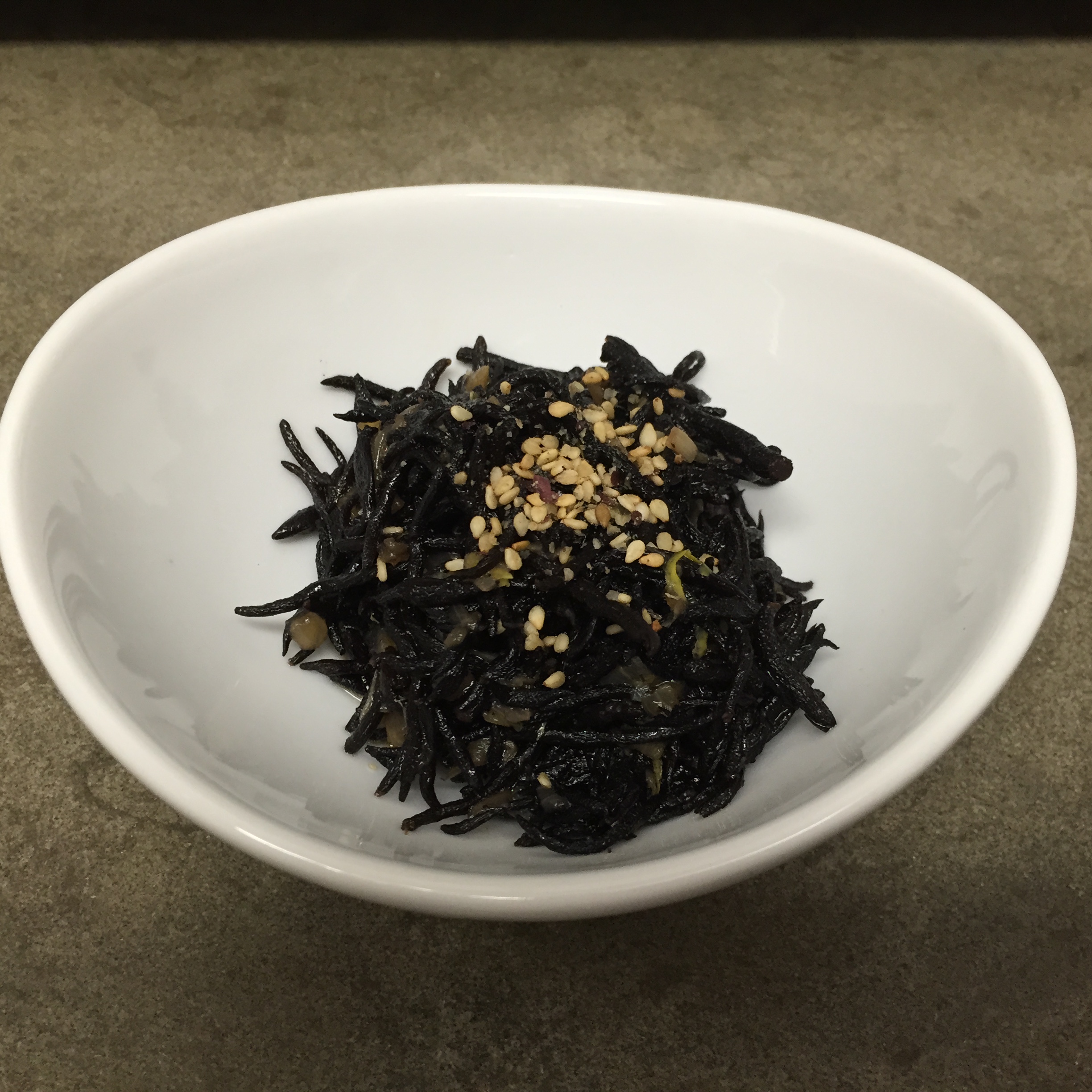
Hiziki with Lemon!

hiziki

As long as I can remember, I’ve always loved seaweed in all forms. As kids, my brothers and I used to eat the dried, roasted nori strips as snacks. The green seaweed salad at Japanese restaurants was always and still is a favorite side dish. In Chinese restaurants, you can find kombu seaweed salad that is a very dark green, usually prepared with lots of garlic. My mom used to tell us that eating seaweed would make our hair darker (Japanese folklore)! In culinary school, we learned about all types of seaweed in our sea vegetables class. As it turns out, hiziki is the most nutrient dense! It became more widely available in the US during the macrobiotic movement. It’s high in fiber as well as essential minerals, including calcium, iron, and magnesium. Hope you enjoy this simple recipe!

1 cup dried hiziki (rinsed and soaked 15-20 minutes)
1 small onion, small dice
2 teaspoons sesame oil
2-3 tablespoons shoyu or soy sauce
1 lemon, zested and juiced

1. Drain off any remaining soaking water from hiziki and discard.
2. In a large saute pan, saute onion in sesame oil for 3 to 5 minutes. Add hiziki, mixing well.
3. Add enough water to just barely cover hiziki. Add shoyu or soy sauce. Bring to a boil. Cover, lower the heat, and simmer for about 30 minutes. Remove cover and cook until most liquid has evaporated.
4. Gently stir in lemon juice and zest until well mixed. Serve.

Spiralized Beets!

beets

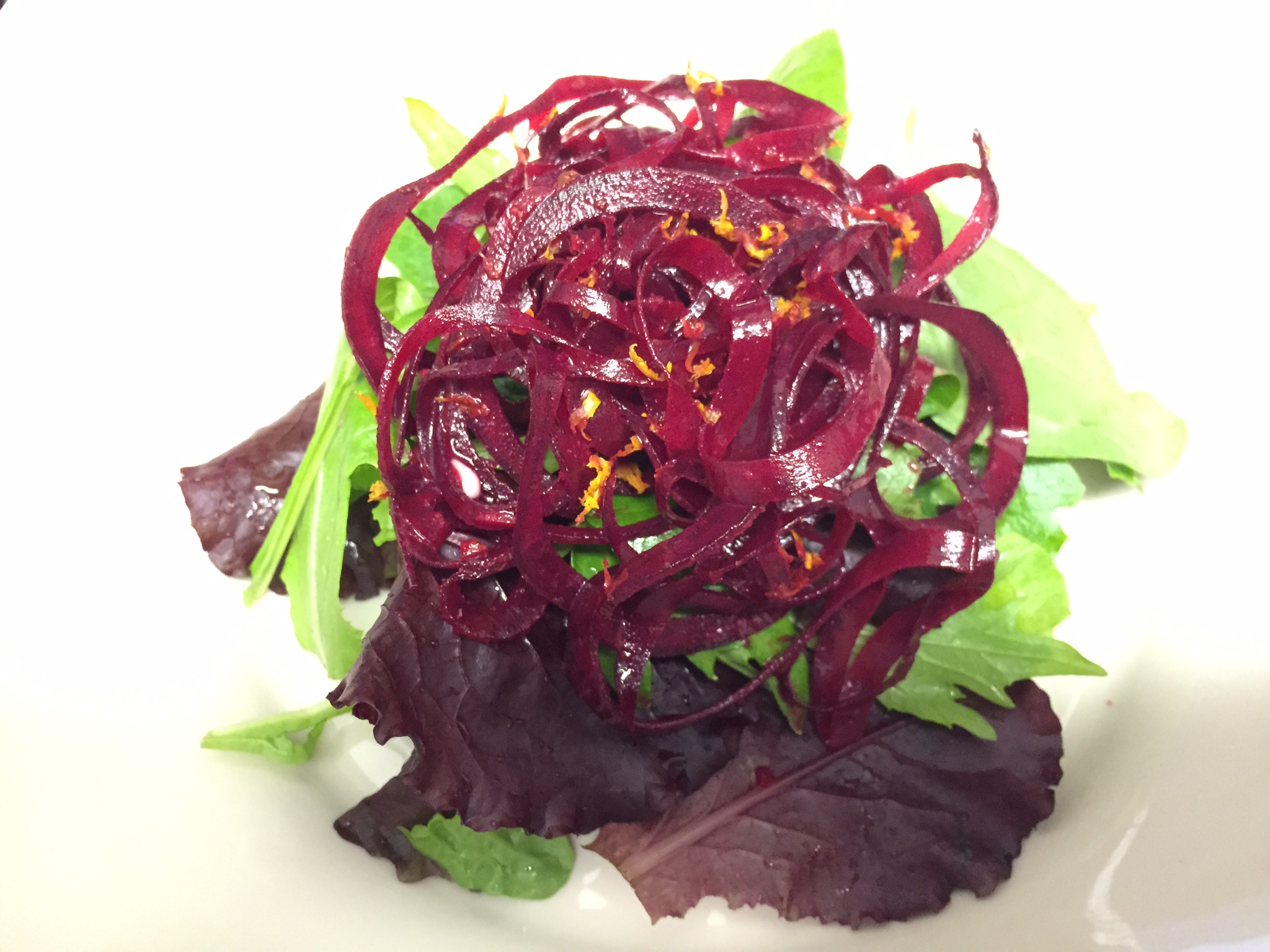
I didn’t realize that you could eat beets raw until I took the Living Foods class in culinary school. They are a good source of B vitamins and manganese and the fact that you’re eating them raw instead of cooked allows you to absorb more nutrients. If you don’t own a spiralizer, you could just shred the beets with a grater or in the food processor. These are gorgeous over mixed greens with blood orange segments!

2 medium beets, peeled and spiralized
1 garlic clove, minced
2 tablespoons rice wine vinegar
2 teaspoons dijon mustard
1 tablespoon avocado oil or extra virgin olive oil
zest of small orange
salt to taste

1. In a large glass bowl, whisk together the garlic, vinegar, mustard, and oil.
2. Add the spiralized beets and massage the dressing into the beets to evenly distribute.
3. Add orange zest (save some to garnish) and mix well.

Persian Cucumber Salad

pickled cucumbers

Although cucumbers are not in season right now, lately I’ve been craving pickled veggies. Adding some pickled veggies to a salad or as a side dish really brightens up the plate. These are quick-pickled, so they’re ready to eat in under an hour! I really love the crispiness of persian cucumbers, but kirbies could easily be substituted here. Cucumbers are a good source of potassium, which helps regulate the amount of sodium in your blood. Enjoy!

Ingredients:
1/2 cup rice vinegar
1/4 cup water
1 dried chile de arbol, torn
1/2 teaspoon sea salt
1/2 teaspoon dill seed
2 cups halved and sliced unpeeled Persian cucumbers
2 tablespoons dried currants or golden raisins
3 sprigs of fresh dill

Procedure:
1. Combine vinegar, water, chile, sugar, salt, and dill seed in a small sauce pan.
Bring to a boil and simmer for 2 minutes. Let cool for 5 minutes
2. Meanwhlie, place cucumbers and raisins in a shallow glass dish along with dill sprigs.
3. Carefully pour the hot liquid over the cucumber mixture.
4. Cover and refrigerate, stirring once, for 20 minutes.
5. Strain and discard the chile and dill sprigs, reserving the pickling liquid. This liquid can be
used to pickle more veggies or whisked with olive oil as a dressing.

Shaved Fennel Salad

fennel salad

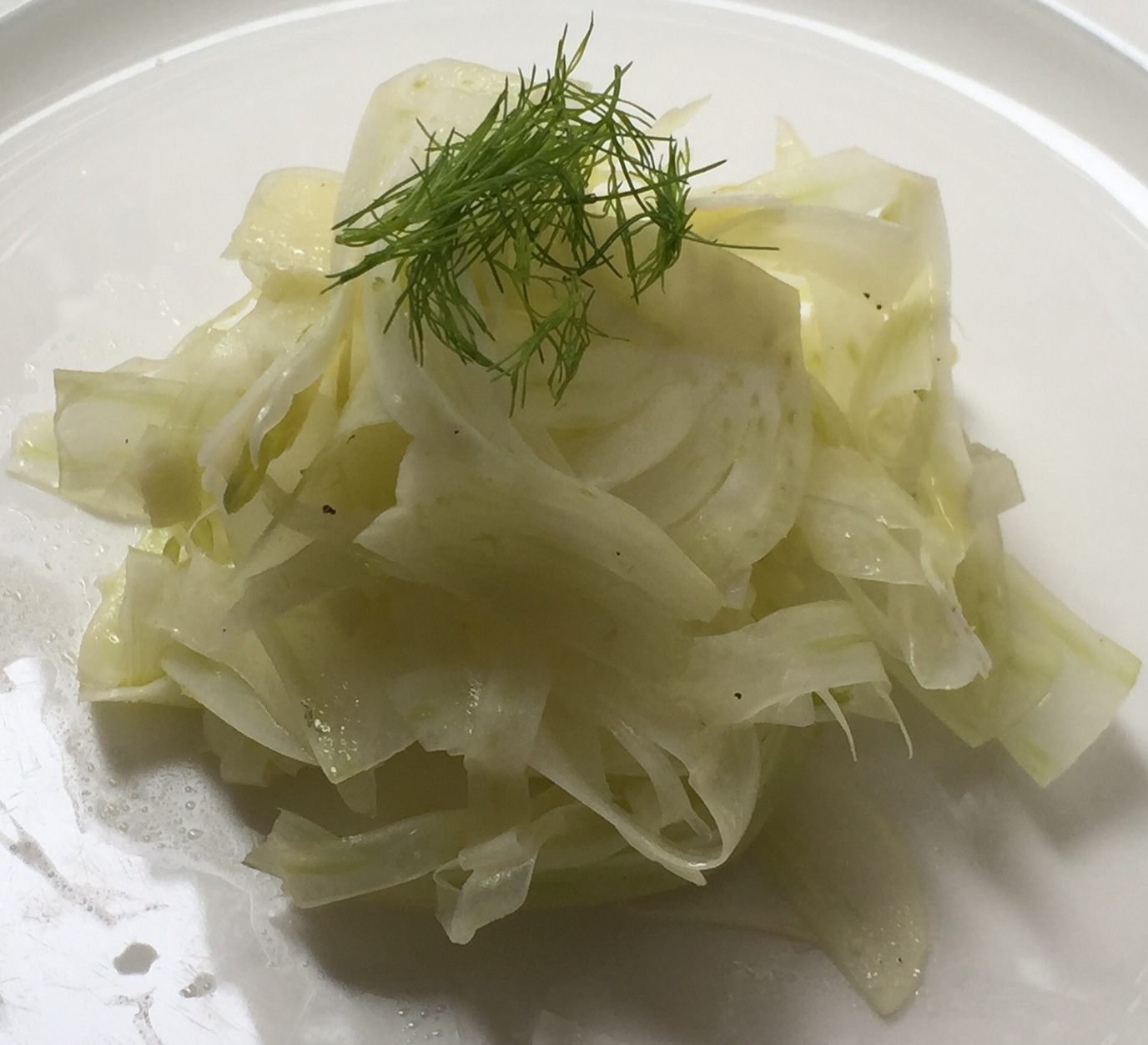
This salad is so beautifully simple, light, and delicious, a welcome break from all of the heavy winter squash salads. The few ingredients really highlight the fennel and make it great as an appetizer with mixed greens or as a side dish. The best way to thinly slice the fennel is on a mandoline.  Fennel is a good source of Vitamin C, potassium, and folate. It also has phytonutrients that have been shown to reduce inflammation and prevent cancer. We are also in peak fennel season right now  (fall through early spring). Serve this at your next dinner party!

Yield: about 2 servings

Ingredients:
1 fennel bulb, cored and thinly sliced (save fronds for garnish)
Parmigiano-Reggiano cheese
1 tablespoons extra-virgin olive oil
1/2 tablespoon fresh lemon juice
Kosher salt and freshly ground pepper

Procedure:
1. Place fennel in a medium bowl. Using a sharp vegetable peeler, shave the Parmesan in thin shards over the fennel.
2. Add the olive oil, lemon juice, and salt and pepper to taste. Toss the salad gently, then adjust the seasoning with more salt and pepper if necessary. Shave more Parmesan on top, sprinkle with the fennel fronds, and serve immediately.

Cancer-Fighting Crucifers!

brussels sprouts

Brussels sprouts and wasabi are cruciferous plants, like kale and broccoli, which means that they have phytochemicals that have been shown to repair DNA cells and even block the growth of cancer cells. I usually simply roast brussels sprouts in the oven with olive oil, salt, and pepper, but when I came across this recipe with wasabi and miso, I was intrigued. The wasabi packs a punch and will surely clear your nasal passages! I love this recipe and have already made it a few times in the last month.

Brussels Sprouts Salad

Ingredients:

1 pound brussels sprouts

2 green onions, sliced

Miso Dijon Sauce:

1 tablespoon white miso

1 teaspoon Dijon mustard

2 teaspoons pure water

¼ teaspoon wasabi powder

1 teaspoon avocado oil 

Procedure:

1. Wash and slice Brussels sprouts into strips with chef’s knife. If you have a food processor, save time by running your sprouts through the shredder blade. Place them in large glass bowl.

2. In a small bowl, mix together sauce ingredients. Set aside.

3. Heat skillet to medium-high and then add oil. Place sliced green onion and brussels sprouts into pan. Sear veggies for 2 to 3 minutes and then stir. Sear another 3 minutes and then stir. Repeat one more time and remove from heat.

4. Fold in sauce. Serve warm.

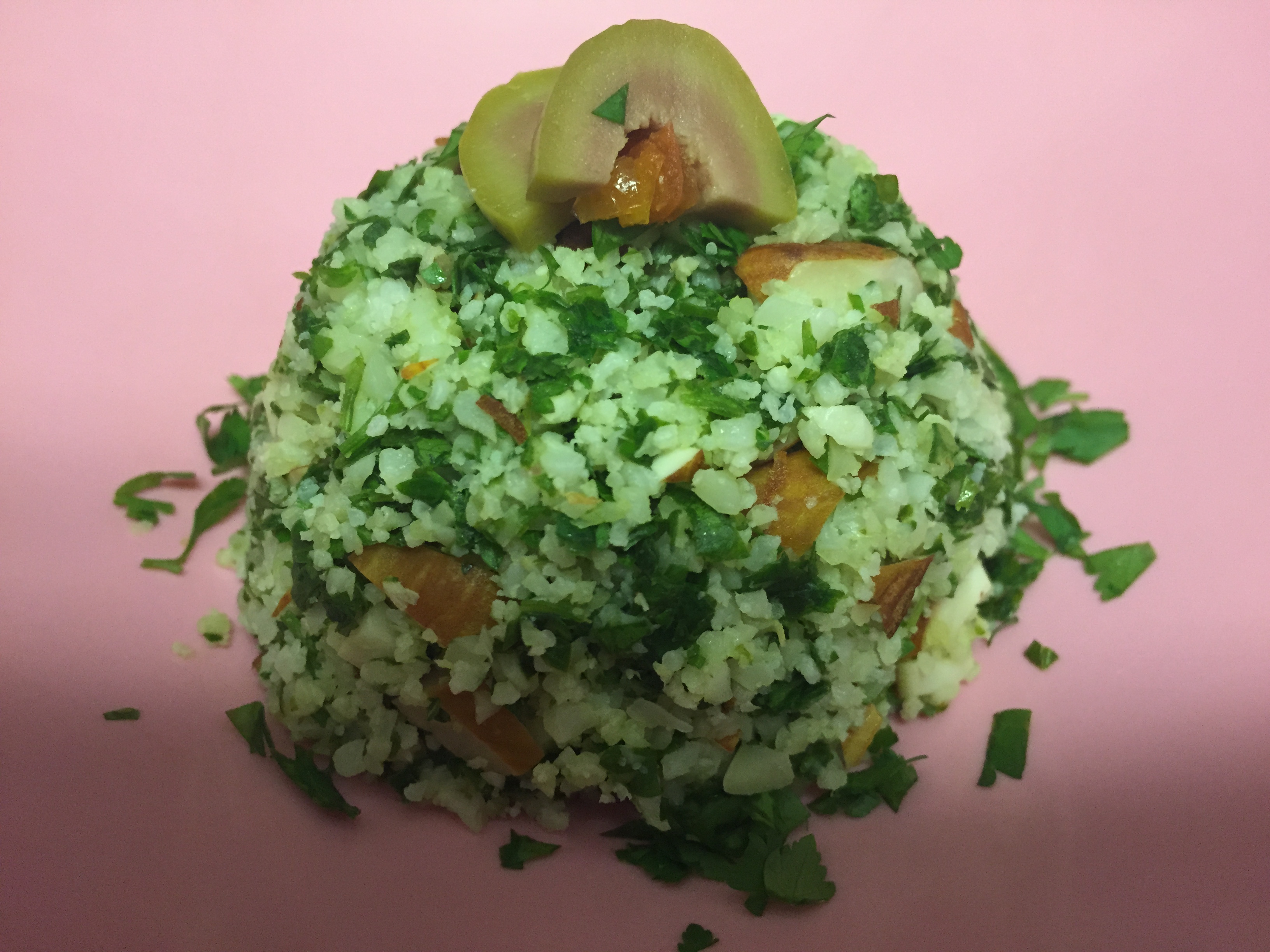
Cauliflower Couscous!

cauliflower couscous

While in culinary school, one of my classmates mentioned making a cauliflower fried rice which sounded really interesting. That’s what prompted me to try this unique recipe. Cauliflower is a cancer-fighting crucifer and an excellent source of Vitamins C and K. Even my Mom, who is always skeptical of my healthy food, liked it! Success!

Cauliflower Couscous

Yield: 4 to 6 servings

INGREDIENTS

1 head cauliflower, broken into florets

½ cup almonds, toasted and roughly chopped

1 bunch cilantro, de-stemmed

1 bunch parsley, de-stemmed

2 tablespoons extra-virgin olive oil

½ teaspoon crushed red pepper flakes

Juice of 1 lemon

¼ cup sliced habanero-stuffed green olives

Salt and pepper, to taste

DIRECTIONS

1. Bring a large pot of salted water to a boil. In a separate large bowl, make an ice bath.

2. While the water is heating, place some of the cauliflower florets in a food processor. Working in batches, pulse until the cauliflower has broken down into coarse pieces around the same size as couscous.

3. Transfer the cauliflower to a large fine-mesh strainer and carefully submerge into boiling water for 1 minute. Transfer the cauliflower (still in the strainer) to the ice bath until completely cool; remove and drain well. Place the cauliflower onto a clean kitchen towel and squeeze to remove excess moisture.

4. Mince the parsley and cilantro leaves in food processor.

5. In a large bowl, whisk the olive oil, red pepper flakes, and lemon juice. Then add cauliflower, almonds, cilantro, parsley, and olives. Stir together ingredients, breaking up any clumps of cauliflower.