InstantPot Pork Butt and Mashed Cauliflower!

instantpot pork butt

Last weekend, my husband suggested making a pork butt since it’s something that would likely last us for a few days. He tries to save me time from having to cook too often which is very thoughtful. This was my first time cooking a pork butt in the pressure cooker and I was pleasantly surprised at how easy it was! It goes really well with mashed potatoes, but since he’s not eating carbs, I decided to pair it with pureed cauliflower, which is delicious. I think I actually enjoy it more than mashed potatoes because it’s not so heavy but still rich and creamy. My baby enjoyed the puree too which was a bonus 🙂 This meal required very little time to prep and was absolutely perfect. I will definitely be making it again!

InstantPot Pork Butt

Ingredients:
1 4-4 ½ pound pork butt
2 teaspoons sea salt
1 teaspoon garlic powder
1 teaspoon paprika
1 teaspoon black pepper
1 ½ cups water
1 onion, quartered
3 cloves garlic, peeled

Procedure:
1. Cut pork butt into 3 large pieces and season all over with spices.
2. Add water to pot, then pork butt, onion and garlic.
3. Cover and set to Manual cook for 90 minutes.
4. Allow to naturally release pressure. Enjoy!

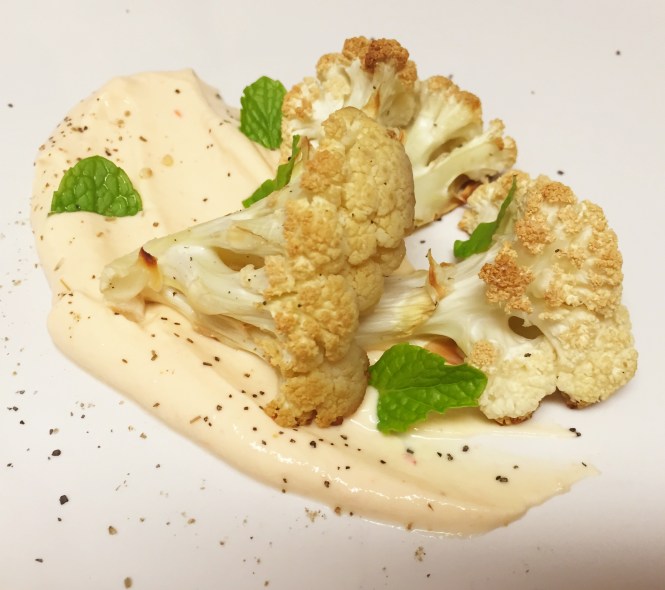
Mashed Cauliflower

Ingredients:
1 head cauliflower, cut into florets
3-4 cloves garlic, peeled
1/4- ½ cup whole milk
3 tablespoons butter, room temperature
salt
pepper

Procedure:
1. Blanch cauliflower and garlic until soft, about 8-10 minutes.
2. Drain well.
3. Transfer to food processor or Vitamix with other ingredients and puree until smooth.
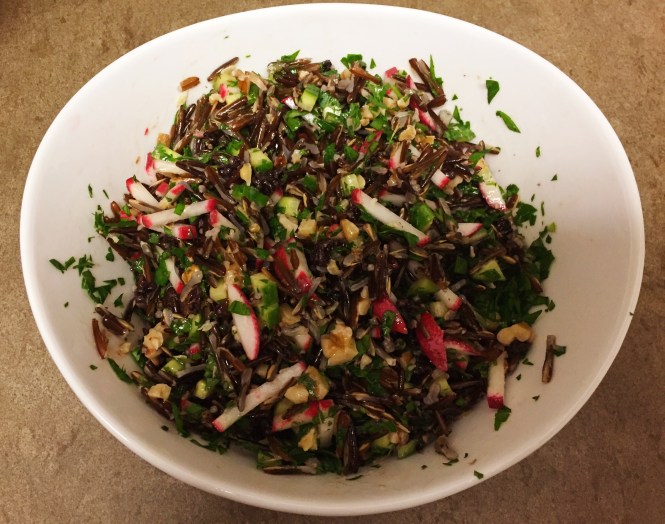
 

Wild Rice Salad!

wild rice salad

Wild rice isn’t actually rice, but the seed of a type of marsh grass. Similar to brown rice, it has a nutty flavor, but has more protein, fiber, iron and copper than brown rice. The addition of cucumber, radishes, and parsley to the wild rice lighten it up and make it a refreshing side dish. Enjoy!

Ingredients:

Salad:
1 cup wild rice
1 persian cucumber, chopped small
6 small radishes, julienned
½ cup currants
½ cup walnuts, chopped
½ bunch parsley, chopped
sea salt to taste

Dressing:
2 tablespoons brown rice vinegar
1 tablespoon fresh lime juice
1 teaspoon dijon vinegar
3 tablespoons olive oil
sea salt to taste

Procedure:

1. Cook wild rice according to directions and allow to cool.
2. In a large bowl, whisk together dressing ingredients.
3. Add salad ingredients to dressing and mix until evenly distributed.

Spring Pesto Pasta!

pesto pasta

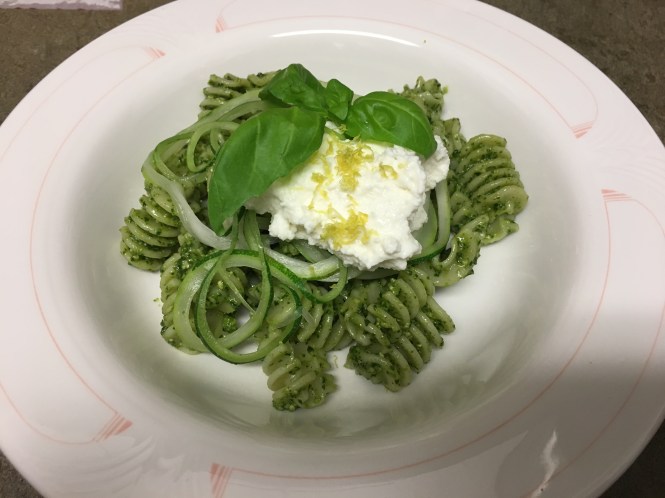
Happy first week of Spring! After a chilly day yesterday, it seems that warmer weather is really on its way and here to stay, as March wraps up. This pesto incorporates some spring peas and lots of fresh basil, which is so refreshing. I also added some blanched spiralized zucchini on top. If you’re looking to cut back on carbs, you could sub in more spiralized zucchini in place of the pasta for a lighter dish. My husband, who said he normally isn’t a fan of pesto, really loved this and couldn’t stop eating it. Radiatore and fusilli are ideal pasta shapes for the pesto, with so many nooks for the pesto to cling to. Enjoy!
Ingredients:
ÂĽ cup fresh or frozen and thawed peas
2 cups packed basil
1/3 cup pine nuts
1 cup freshly grated Parmigiano-Reggiano
1 garlic clove, minced
1 teaspoon sea salt
ÂĽ cup olive oil
1 cup fresh ricotta
½ lemon, zested and juiced
1 pound radiatore or fusilli pasta

Procedure:

1. Add peas, basil, pine nuts, Parmigiano-Reggiano, garlic, and sea salt to a food processor and pulse to combine. While processing, stream in the olive oil until smooth.
2. In a small bowl, stir together the ricotta, lemon juice, and half of the lemon zest.
3. Bring a large pot of water to a boil and add a tablespoon of salt. Cook pasta until al dente and drain, reserving a cup of the cooking water.
4. Add pesto to the large pot and if it’s too thick, add some pasta water to loosen it. Then add pasta and mix thoroughly until coated.
5. Serve warm with a dollop of the lemon ricotta on top and a sprinkle of the remaining lemon zest.

Savory Blue Corn Muffins!

blue corn muffins

One of the major benefits of living in New York City is the food and a restaurant I sorely miss is Bobby Flay’s Mesa Grill, which closed years ago due to a ridiculous rent hike. Somehow it came up in conversation with my parents not too long ago that we used to love going to Mesa Grill for brunch. Upon ordering, they would bring out the best bread basket, filled with a variety of delicious baked goods. There would always be a cinnamon sugar coffee cake, tiny chive biscuits, and blue corn muffins, served with a pepper jam. The blue corn muffins always stood out because of their unique appearance and taste; they were half yellow corn and half blue corn. This recipe is completely blue corn**, but in order to get that striking effect, you could simply do Âľ cup yellow corn and Âľ cup blue corn and halve the other ingredients to mix in two separate bowls. Then when baking, you simply fill the muffin cups with half of each. Either way, they’re delicious and perfect for your next brunch gathering. Enjoy!

Yield: 12 regular muffins

Ingredients:
4 ounces (1 stick) unsalted butter
1/3 cup finely diced onion
2 cloves of garlic, finely chopped
1 cup milk
4 large eggs
1/2 cup finely diced red bell pepper
2 jalapeno peppers, finely diced
1/2 cup fresh or frozen corn, thawed
2 tablespoons finely chopped cilantro leaves (optional)
1 1/2 cups blue cornmeal (can substitute yellow)
1 cup all-purpose flour
1 tablespoon baking powder
1/2 teaspoon baking soda
1 teaspoon salt
2 tablespoons sugar

Procedure:

1. Set a rack in the middle of the oven and preheat to 400 degrees F. Grease or line muffin pan.

2. In a small saucepan, melt the butter. Add the onions and garlic and cook until soft. Allow to cool.

3. In a large mixing bowl, whisk together the milk, eggs, bell pepper, jalapeno, corn and cilantro (if using). Whisk in the cooled butter mixture.

4. In a separate bowl, stir together the cornmeal, flour, baking powder, baking soda, salt and sugar. Mix into the liquid mixture.

5. Divide the batter evenly among the muffin slots and bake for 20 minutes or until set, turning the pan once for even baking. If making mini muffins, bake for 10 minutes or until set.

**Bob’s Red Mill has blue corn meal. This can usually be found at Whole Foods; otherwise a reasonable place to order online from is iHerb.com, which is where I bought mine.

Adapted from Bobby Flay’s Blue Corn Muffins recipe


Lemony Chickpea Salad!

chickpea-salad

We’ve been experiencing spring-like weather in NYC these days which puts me in a salad mood. This is a refreshing chickpea salad, using minimal ingredients and is great over crunchy chopped romaine or as a side dish or even as a topping on your avocado toast. To bulk it up for a more filling meal, you can add quinoa to the mix. Enjoy!

Ingredients:

1- 29 ounce can of chickpeas, drained and rinsed OR about 3 cups cooked chickpeas
10-12 black sicilian oil-cured olives, pitted and thinly sliced
1 lemon, zested and juiced
1 shallot, finely chopped
2 tablespoons of freshly chopped parsley
salt
pepper
olive oil

Procedure:

1. Mix the first 5 ingredients in a large bowl.
2. Lightly mash chickpeas with a fork, leaving most of the chickpeas whole.
3. Add salt, pepper, and olive oil to taste

Butternut Squash Soup!

butternut-squash-soup

I made this soup as part of our Thanksgiving feast and wanted to share the very simple recipe. Although there are few ingredients, this soup is truly delicious and perfect for autumn!

Ingredients:
1 (2-3 pound) butternut squash, peeled, seeded, and diced into 1” chunks
2 tablespoons unsalted butter or olive oil
1 medium onion, diced
6 cups chicken stock or vegetable stock
pinch of nutmeg
salt and freshly ground pepper

Directions:
1. In a large pot, melt butter or add oil. Add onion and cook until translucent, about 8 minutes.
2. Add squash and stock.
3. Bring to a simmer and cook until squash is tender, about 15-20 minutes.
4. Remove squash chunks with slotted spoon and place in blender to puree.
5. Return blended squash to pot and stir.
6. Season with nutmeg, salt, and pepper.
7. Enjoy!


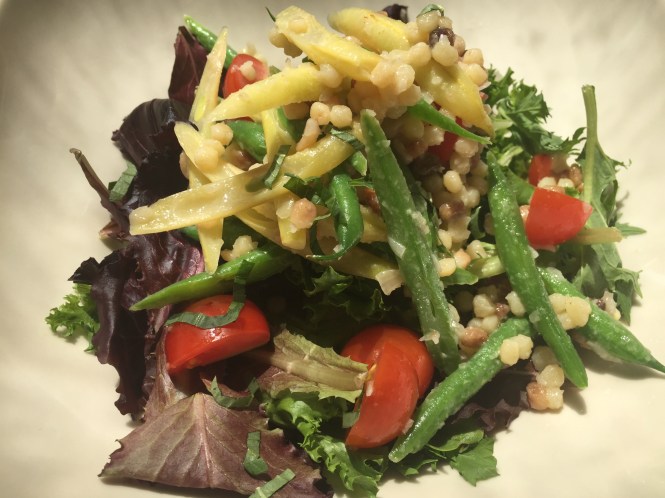
Summer Bean Salad with Fregola!

summer bean salad with fregola

Fregola is an oven-toasted Sardinian pasta, shaped like little pearls. A special pasta-making method, using bronze drawplates give it a rough, porous texture that captures sauces and dressings very well. If you can’t find fregola, you could substitute Israeli couscous. This shallot dressing is so delicious, as the shallots are cooked slowly in oil to bring out their natural sweetness. Be sure to mix in the dressing while the pasta is still warm, as it will be better absorbed. This is the perfect summer salad to bring to your next barbecue or potluck!

Ingredients:

Dressing:
2 large shallots, chopped
ÂĽ cup avocado oil
1 tablespoon apple cider vinegar
2 tablespoons vegetable broth
1 teaspoon dijon mustard
1 teaspoon honey
ÂĽ teaspoon salt

Salad:
1 cup fregola
½ pound green beans, trimmed and blanched
½ pound yellow wax beans, trimmed and blanched
½ cup cherry or grape tomatoes, halved
1 tablespoon chopped fresh basil
½ teaspoon salt

Directions:
1. For the dressing: Place the shallots and avocado oil in a small saucepan over low heat and cook gently until completely soft, about 15 minutes. Remove from heat and let cool to room temperature.
2. In a food processor, add the cooled shallots and oil, the apple cider vinegar, broth, mustard, honey, and salt. Pulse until the shallots are finely chopped and the dressing is thick. Set aside.
3. For the salad: Bring a medium pot of salted water to a boil over medium-high heat. Add the fregola and cook for 8-9 minutes or until cooked through. Drain well, then place in a large bowl. While the fregola is still warm, add the dressing and toss to coat. Allow the fregola to cool slightly before adding the green beans, wax beans, tomatoes, basil and salt; toss gently to coat.

fregola

Roasted Garlic-Harissa Yogurt Dip!

roasted garlic harissa yogurt dip

Harissa is a blend of hot chile peppers, garlic, olive oil and spices and commonly used as a flavor base for curries and stews, as well as a condiment in the Middle East. Use it to add some spice in place of your regular hot sauce. The heat of the harissa, creaminess of the yogurt, sweetness of the roasted garlic, and acidity of the lime juice perfectly balance each other. This is versatile and works well as a dip or sauce with crudite, roasted veggies, and chicken.

Ingredients:
1 bulb roasted garlic, peeled and mashed
1 tablespoon harissa
2 cups plain full fat greek yogurt
juice from ½ lime
salt
mint leaves, garnish

Procedure:
1. In a food processor, add roasted garlic, harissa, and greek yogurt. Pulse until smooth.
2. Stir in lime juice and season with salt to taste.
3. Garnish with mint leaves
4. Enjoy!

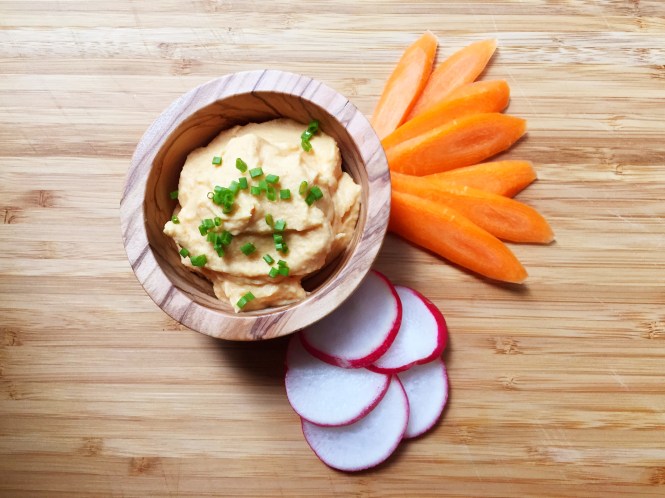
Gochujang-Red Lentil Hummus!

red lentil hummus

This week, I’ll be traveling to LA to visit some friends, so snacks for the plane ride are on my mind this weekend. Often, the airports don’t have great healthy food options or they’re pricey, so I like to pack my own if I can. Along with dark chocolate-covered espresso beans and pistachios, I will be munching on crudite with this hummus. It was my first time making hummus with red lentils, which are great because they cook up so quickly and don’t require soaking. Although I used gochujang, a staple Korean fermented red chili paste, harissa or sriracha would also work very well. This would be a perfect, vegan option to have at the Super Bowl table too!
½ cup red lentils, rinsed and picked through for stones
1 teaspoon gochujang
1 clove garlic, peeled
2 tablespoons avocado oil or olive oil
juice of ½ a lemon
salt, to taste
chives, garnish

1.Place the lentils and and 1 cup of water into a small saucepan. Place over a medium heat and bring to the boil. Turn down to a simmer and cook, stirring often, until all the water is absorbed, about 10-12 minutes. The lentils should be mushy and thick.
2. Pulse the garlic in the bowl of the food processor and then add all the other ingredients. Blend until completely smooth.
3. Enjoy!

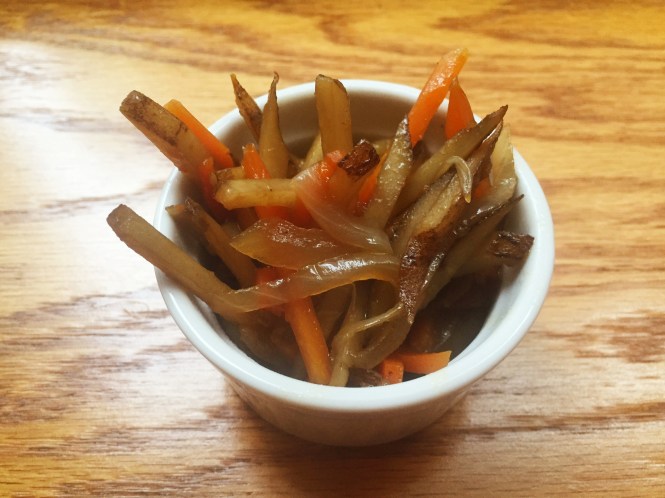
Burdock Kimpura!

kimpura

I had never heard of burdock root before the macrobiotics class at Natural Gourmet Institute. Our chef instructor said that in culinary school, he was reprimanded for peeling it, so I always remember to leave the skin on. It looks like it should be peeled with some dirt embedded in the skin, so I usually gently use a vegetable scrub brush to get any excess dirt off. The antioxidants and flavor are concentrated near the surface, so you want to make sure you preserve the skin. The root has a unique, sweet flavor that’s complemented by the savory sesame oil and shoyu. It is believed to serve as a blood purifier and strengthen the intestines. And it’s delicious!

2 tablepoons sesame oil
burdock root (about half pound), matchstick cut
medium onion, saute slice
2 carrots, matchstick cut
2-3 tablespoons shoyu or soy sauce

1. Heat a heavy skillet and coat with sesame oil.
2. Add burdock matchsticks and saute over medium heat until they no longer release their strong aroma. Stir constantly to coat the slivers evenly with oil and prevent burning.
3. Add thinly sliced onions, then the carrot matchsticks, mixing ingredients together. Saute for 1-2 minutes, and then add enough water to cover the bottom of the pan.
4. Cover pan and reduce heat, allowing to simmer for 25-30 minutes, or until the vegetables are tender, making sure the bottom of the pan does not get dry. Uncover and add shoyu or soy sauce to taste and simmer until most of the liquid is cooked out.

Jicama Nori Rolls!

nori roll

Over the summer, my friend Lucy and I fell in love with this recipe that we learned through Matthew Kenney’s raw food program. Jicama is a starchy, root vegetable that is really crunchy, like water chestnuts and a good source of vitamin C. It’s refreshing and much lighter than rice in a normal handroll. This can be enjoyed as a sushi roll as well.

For Jicama Rice:
4 cups jicama, peeled, roughly chopped
1 teaspoon sea salt
2 teaspoons rice wine vinegar
2 teaspoons honey (non-vegan) or agave (vegan)

nori sheets
leafy greens
julienne carrot
julienne beet
sunflower sprouts

1. Put jicama in food processor and pulse until there are small pieces about
the size of rice. Using a nut milk bag or mesh strainer, strain out excess
water. Toss with remaining ingredients in a bowl.
Optional: Place sushi rice on non-stick sheets and dehydrate until slightly
sticky, about 2-3 hours.

2. Cut nori sheet in half. Place flat on dry cutting board with long side facing you, shiny side down.
3. Layer leafy greens in bottom left corner. This helps keep the moisture from the jicama from making the nori sheet soggy.
4. Then spoon about a tablespoon of the jicama rice on top of the greens, flattening it out.
5. Layer the julienned vegetables and sunflower sprouts on top..
6. From the bottom left corner, carefully fold at a 45 degree angle up to meet the top of the nori sheet, forming a point at the bottom of the roll. From here, just roll towards the right side and seal with water.
7. Enjoy immediately.

Haricot Vert Almondine!

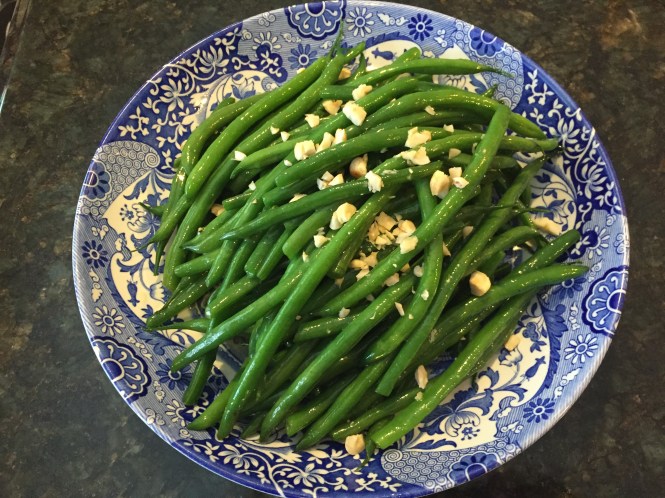
green beans

Happy Thanksgiving! Hope everyone is enjoying the holiday, surrounded with loved ones. I’m very thankful to have my family to come home to and cook with during the holidays. It’s really fulfilling to see everyone enjoy all of the yummy food.

Green bean casserole was never a tradition in our household, but I’ve always loved crunchy haricot vert. They are rich in Vitamins C and K, folate, potassium, and manganese. I learned this simple, delicious dish when I took a course at the French Culinary Institute several years ago. Normally, I don’t use salted butter, but my Mom bought this by accident and it actually worked well here. Of course, you can use unsalted butter and then adjust the salt level. The haricot vert are so beautifully glazed and the chopped nuts add a nice crunch. We’ll probably be making this again for Christmas! 🙂

Ingredients:
1 pound haricot vert
2 ounces amaretto
freshly ground black pepper
2 tablespoons salted sweet butter
2 tablespoons hazelnuts, toasted, peeled, and chopped or sliced almonds, toasted

Procedure:
1. Bring a large pot of water to a boil. While the water is boiling, prepare an ice bath.
2. Add haricot vert to boiling water and cook for about one minute. Drain and add to ice bath.
3. Bring amaretto to a boil and season with pepper.
4. Add salted butter and cook until thoroughly combined.
5. Add blanched green beans until coated with sauce and just heated through.
6. Top with toasted nuts and serve immediately. Enjoy!

Broccoli Carpaccio!

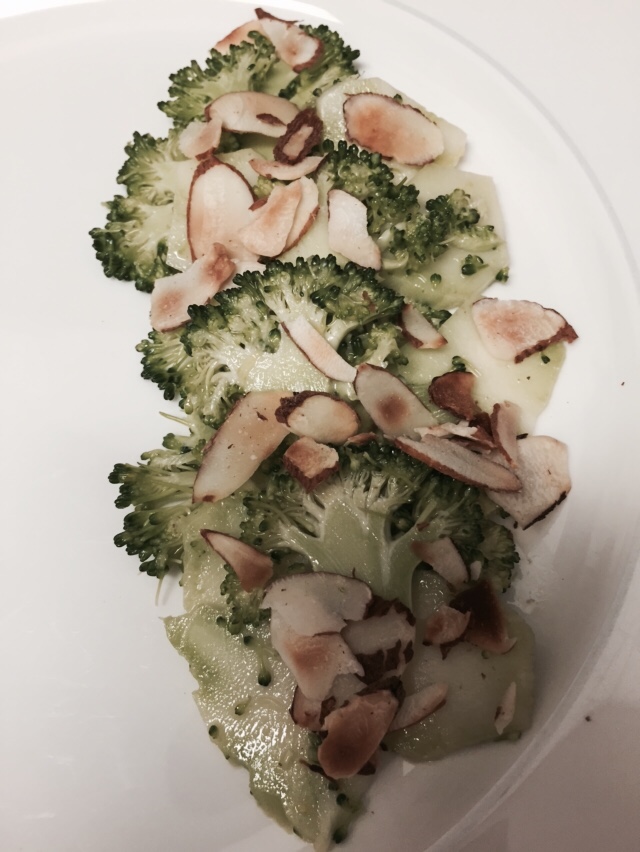
broccoli salad

This recipe does not require cooking and comes together very quickly, making it ideal for summer. I personally love broccoli stems and for this recipe, be sure to trim and peel them before slicing thin. Broccoli is packed with phytochemicals that boost the immune system and antioxidants that fight cancer. While the toasted almonds are optional, they really add a nice earthy flavor and crunch on top. Enjoy!

1 tablespoon white wine vinegar
1 lemon, zested
1 tablespoon freshly-squeezed lemon juice
2 teaspoons dijon mustard
½ teaspoon sea salt
pinch freshly ground black pepper
ÂĽ cup olive oil
1 pound broccoli, rinsed, trimmed, and sliced thinly (using mandolin or food processor)
sliced almonds, toasted (optional)

1. Whisk together the vinegar, zest, lemon juice, mustard, salt, and pepper in a large mixing bowl. While whisking constantly, gradually add the olive oil until uniform.
2. Add broccoli and toss to coat. Cover and place in the refrigerator at least an hour before serving.
3. Before serving, toss again. Sprinkle with toasted almonds.

Haricot Vert Summer Salad!

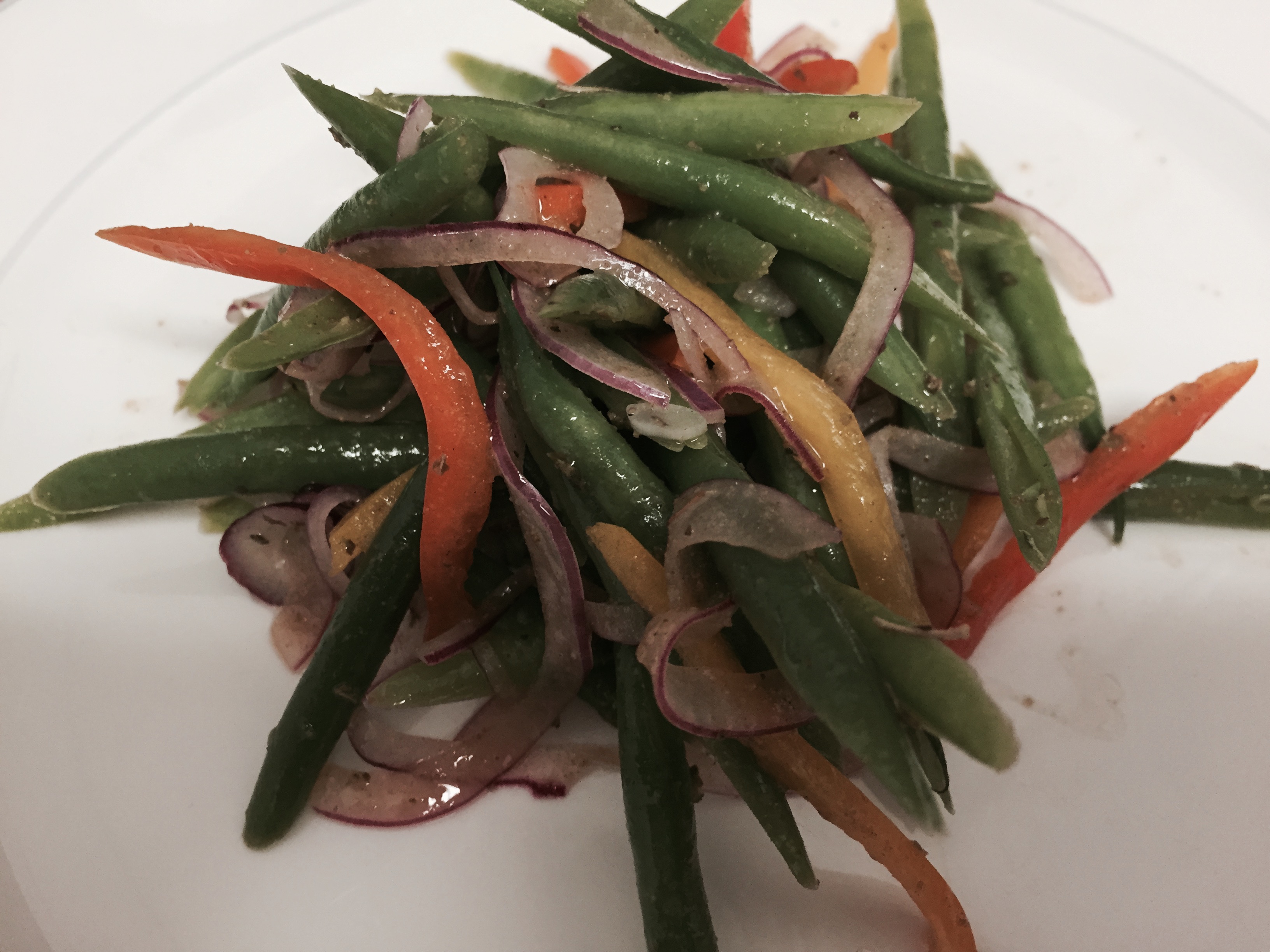
green bean salad

French green beans are sweeter, crispier, and more elegant than ordinary green beans. They are also full of fiber, protein, iron, calcium, and various other vitamins and minerals. Slicing them on a sharp bias is really beautiful but also allows the beans to really absorb the delicious dressing. This is one of my favorite recipes that I had made many times years ago and had forgotten about, until I had an abundance of haricot vert. Enjoy!

1 pound french green beans
5-6 mini bell peppers, thinly sliced
1 medium red onion, thinly sliced
ÂĽ cup avocado oil or EVOO
3 tablespoons red wine vinegar
1 teaspoon dried oregano
2 teaspoons ground cumin
½ teaspoon sea salt
ÂĽ teaspoon freshly ground pepper

1. Bring a large pot of water to a boil and add green beans. Cook for 1 minute. Remove and place in large bowl of ice water until cool. Drain well. Slice each green bean on the bias into 2-3 pieces, based on size.
2. In a large bowl, whisk together oil, vinegar, and spices.
3. Add green beans, bell peppers, and onion to dressing and toss until evenly distributed. Let stand at room temperature at least 15 minutes and toss again before serving.

Zucchini Noodles with Garlic Scape Pesto!

Garlic Scapes Pesto

Garlic scapes are the flower stalks that spring out of the garlic bulb and impart a milder garlic flavor. They are harvested at this time of year so that they won’t drain nutrients from the garlic bulbs that will be dug up in a couple of months. Similar to garlic, they are high in antioxidants, believed to have anti-cancer properties, and strengthen the immune system. Zucchini noodles are such a nice no-cook summer dish and they absorb the pesto beautifully. Leftover pesto can be used in numerous ways, such as a spread on toasted baguette, tossed into a pasta with heirloom tomatoes, mixed into scrambled eggs, or spread on pizza. Unlike basil pesto, this will not brown, so it will maintain its vibrant green for the week!
1 zucchini, spiralized or julienned

Pesto:
1 cup garlic scapes, trimmed and thinly sliced crosswise (about 1/3 lb)
ÂĽ cup pine nuts
½ cup olive oil
ÂĽ cup freshly grated pecorino romano or parmesan
Salt and pepper, to taste

1. Add the scapes and pine nuts to the bowl of a food processor and pulse until everything is broken up a bit.
2. Then turn the processor back on, and with it running, add the oil a little at a time until it’s fully incorporated. 3. Add cheese, pulse, then season with salt and pepper to taste.
4. Mix 2-3 tablespoons into the zucchini. Enjoy!

Cilantro Quinoa with Sumac Vinaigrette!

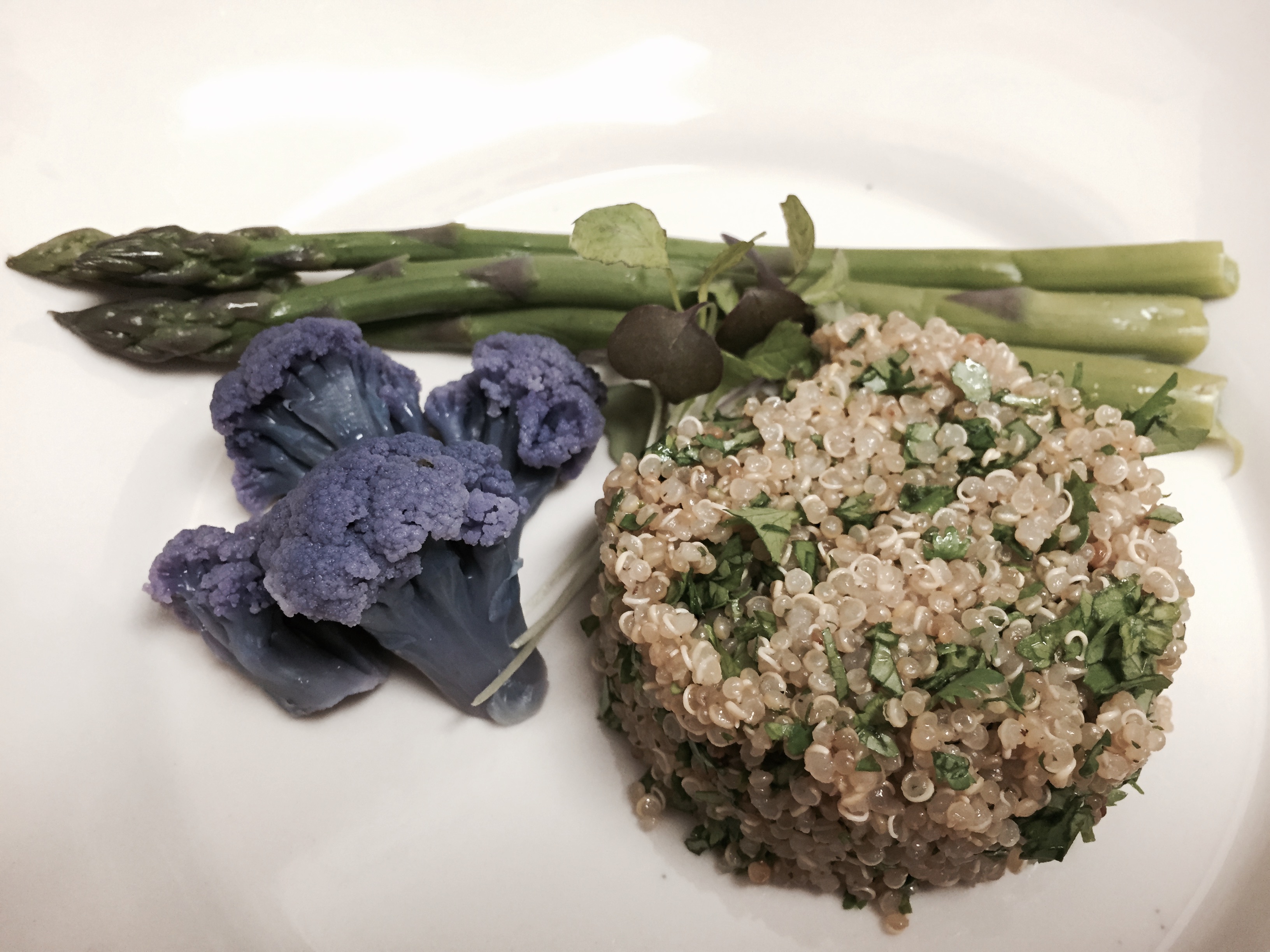
cilantro quinoa

Sumac is a reddish-purple spice that is commonly used in Middle Eastern cooking to add a tangy lemony flavor. The sumac bush produces deep red berries, which are dried and ground into this coarse powder. It was used to treat different ailments in medieval medicine. A tiny sprinkle adds tremendous flavor and pairs really well with cilantro in this quinoa salad. Sumac would also be great in hummus or sprinkled over grilled veggies before serving. Hope you’ll try this unique spice!

1 cup quinoa, cooked and cooled to room temperature
1 bunch cilantro, de-stemmed and chopped

Vinaigrette:
1 tablespoon apple cider vinegar
1/8 teaspoon sumac
1/8 teaspoon sea salt
few grinds fresh black pepper
2 tablespoons avocado oil or EVOO

1. In a large bowl, whisk together vinaigrette ingredients.
2. Add quinoa to vinaigrette and mix thoroughly, making sure to coat all of quinoa.
3. Add cilantro and mix again. Enjoy!

Rye Berry Pilaf with Balsamic Cherries & Hazelnuts!

rye berry pilaf with cherries and hazelnuts

I had never heard of rye berries before spotting them at my coop recently. And now I’m hooked! They are nice and chewy like freekah and wheatberries, as well as filling, since they are packed with a fiber called arabinoxylan (high antioxidant activity). Rye is also rich in selenium, phosphorus, magnesium, copper, zinc, and protein. The toasted hazelnuts add crunch and lovely savoriness to the salad. This would be great over spring greens and also as a hearty side dish. Enjoy!

INGREDIENTS

FOR THE BALSAMIC CHERRIES
8 ounces cherries
1 tablespoon butter
2 tablespoons balsamic vinegar

FOR THE PILAF
1 cup rye berries (or wheatberries), cooked
ÂĽ cup hazelnuts
Salt to taste
1 to 2 teaspoons fresh thyme leaves or pinch of dried thyme, to taste
Freshly ground pepper

PROCEDURE
1. Preheat oven to 300 degrees.
2. Pit the cherries and cut in half.
3. Heat a medium or large heavy skillet over medium-high heat and add the butter. Add the cherries and sauté for 1 minute. Add the balsamic vinegar and cook no more than 1 minute. Transfer the cherries immediately to a bowl so that they don’t overcook. Set aside.
4. Place hazelnuts on baking sheet and toast in oven for about 20 minutes. When cool enough to handle, peel and roughly chop.
5. While the rye berries are still warm, combine with cherries, hazelnuts, thyme, salt, and pepper.

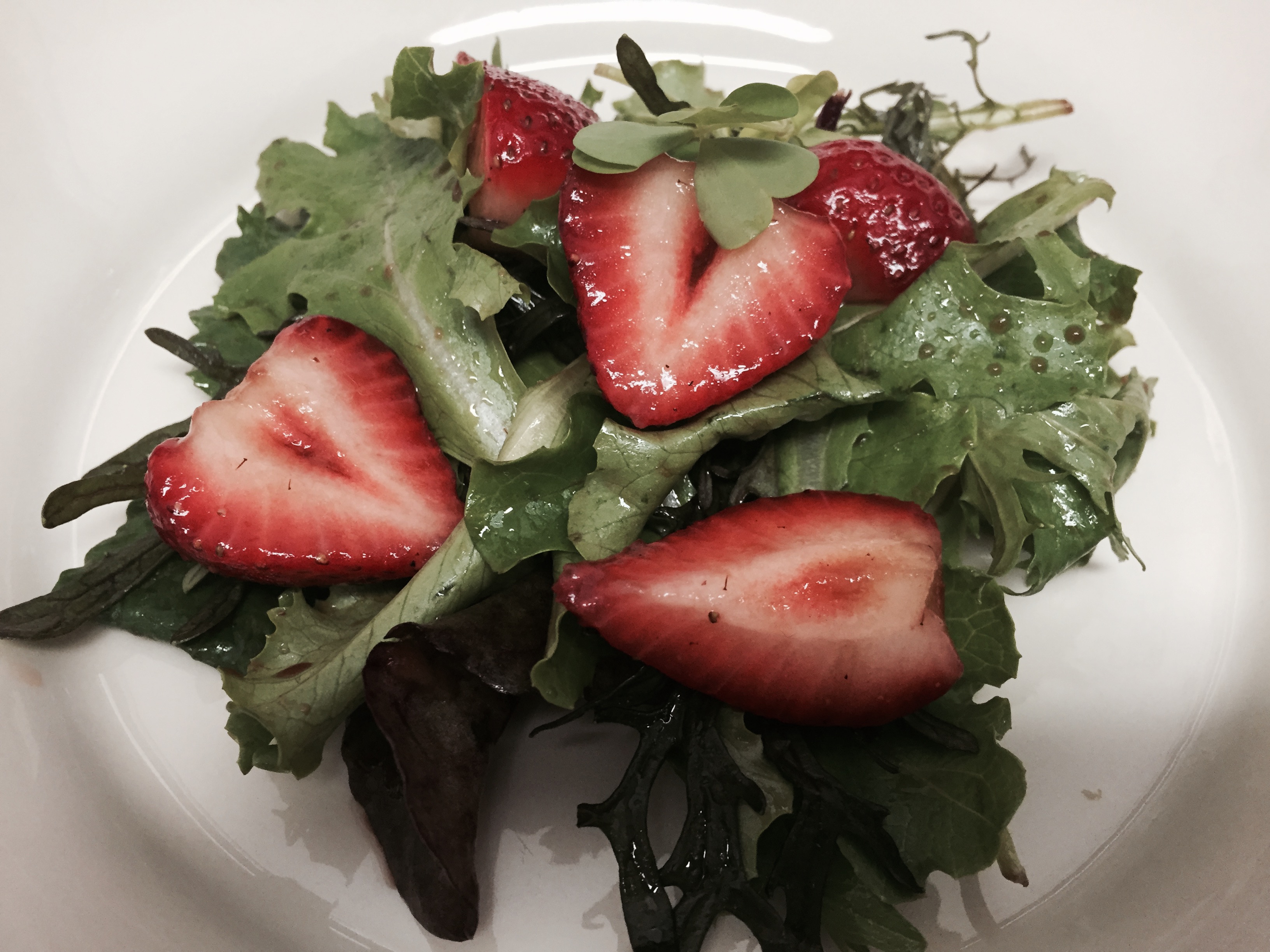
Balsamic Strawberry Salad!

balsamic strawberries

Rather than just eating an entire one pound carton of strawberries today, I chose to be a little more adventurous 🙂 A while back, one of my culinary friends suggested making a salad with balsamic vinegar and arugula. This recipe comes from Mark Bittman, who can always be trusted in the kitchen. The simplicity and freshness of the salad make it truly satisfying. Strawberries are a member of the rose family and the only fruit with its seeds on the outside. A single cup of strawberries provides more than 100% of the daily value of vitamic C as well as other powerful antioxidants. It’s important to buy organic strawberries, as conventional are grown with more pesticides than most other crops.

Makes 2 servings

1 cup strawberries, hulled and halved or quartered
1 teaspoon balsamic vinegar
freshly ground black pepper
2 cups mixed greens
sea salt
1 teaspoon extra virgin olive oil

1. Toss the strawberries with the vinegar and black pepper in a large salad bowl and let sit for 10 minutes
2. Add the greens, sprinkle with sea salt and toss again. Drizzle with olive oil and toss gently one last time.
3. Taste, adjust the seasoning, and serve. Enjoy!

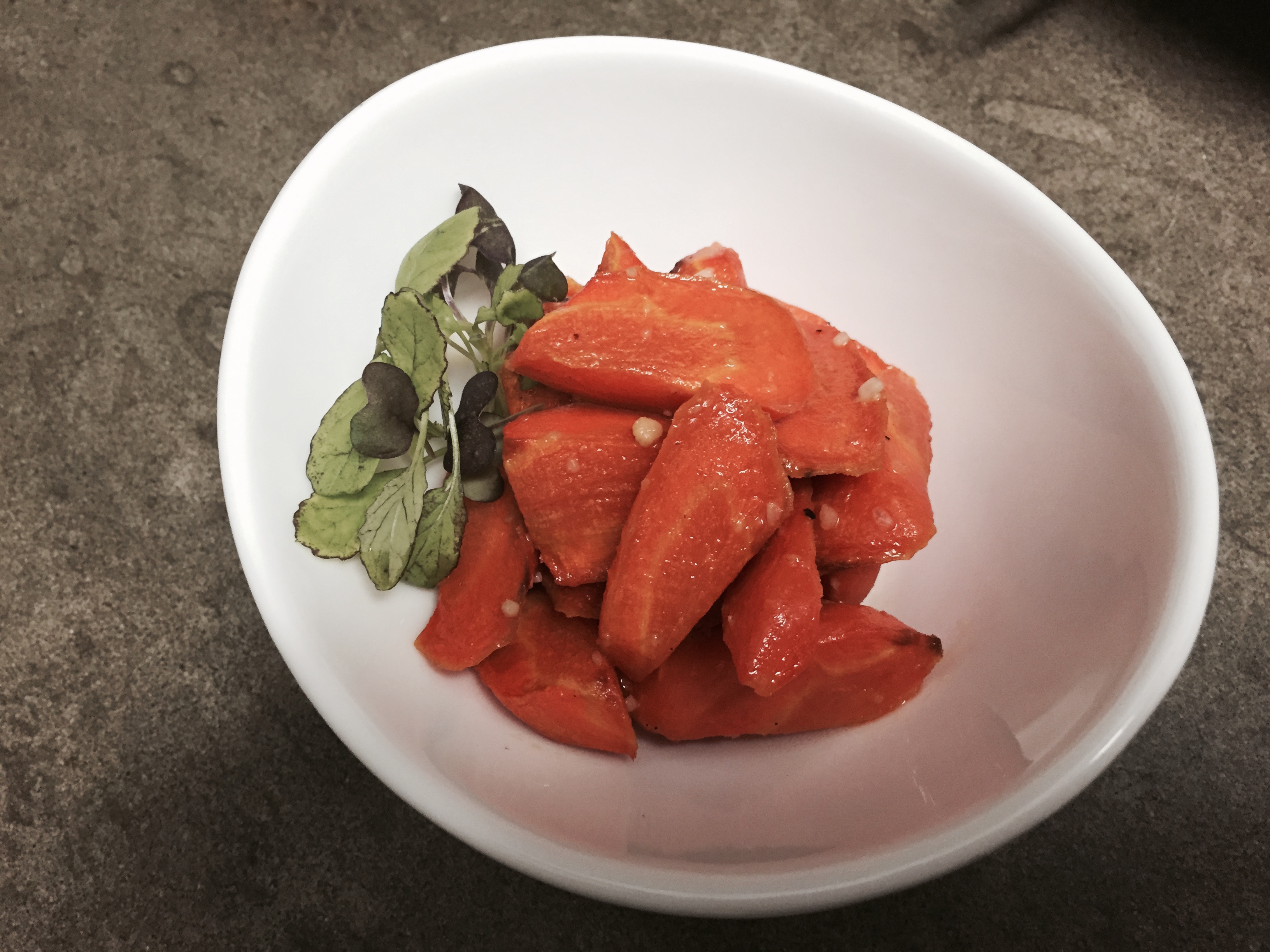
Miso-Lime Dressing!

miso-lime carrots

The combination of miso, lime juice, and walnut oil makes for a very unique and delicious dressing. Walnut oil is best used in dressings, as it loses flavor and nutritional value when heated. It is a good source of omega-3 fatty acids, which aid in memory and overall brain function. Walnut oil is also high in ellagic acid and antioxidants which have been shown to kill cancer cells and fight free radicals. The dressing is perfect on roasted veggies, such as the roasted carrots here. However, it would be wonderful on grilled veggies, like zucchini, in the summer or mixed in with your favorite grains. This would make for a great side dish at a barbecue or picnic, and intrigue your guests! Enjoy!

2 tablespoons lime juice (about 1 lime)
1 ½ teaspoons white miso paste
2 tablespoons walnut oil

Whisk together lime juice and miso paste until smooth. While whisking, drizzle in walnut oil until mixed thoroughly.

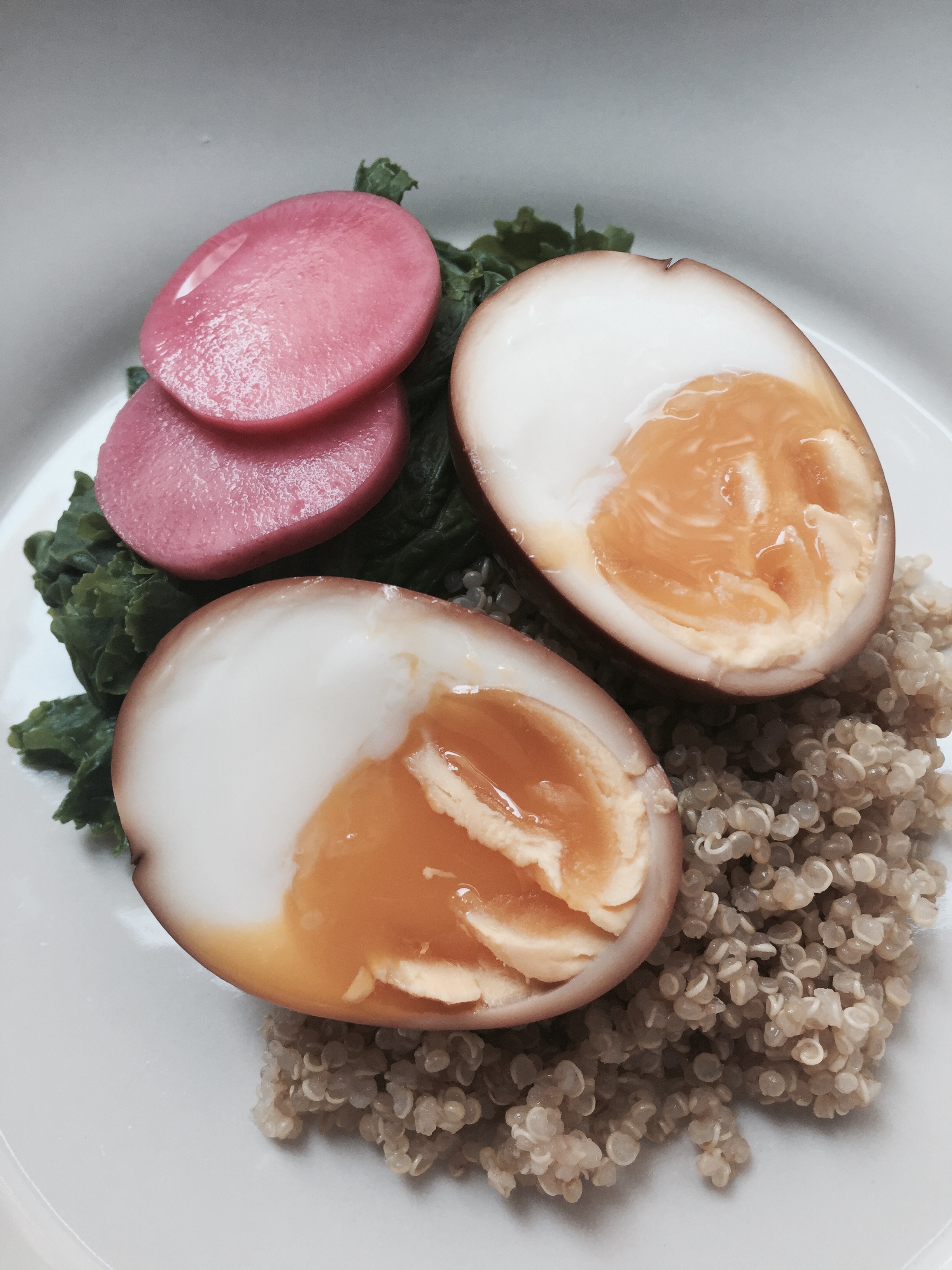
Soy Sauce Eggs!

soy sauce eggs

My mom makes a Chinese dish of braised pork and eggs, and while I love those eggs, I wanted to make a vegetarian version. When I saw this recipe on the Food52 website from Christina Tosi of Momofuku, I needed to try it! Besides being a great source of protein, eggs are high in B vitamins and antioxidants. Also, something that I learned in culinary school is that eggs have a net protein utilization (NPU) of 1, which means that 100% of the nitrogen supplied by the egg is converted into protein.

These are essentially medium-boiled eggs (set white, runny yolk) and marinated in a soy sauce mixture for up to 6 hours, so a very simple recipe. Once done, you can enjoy them in so many ways. They’re delicious on their own, but would be delicious in a bowl of ramen, on toast, or on a salad. I don’t see them lasting long in my fridge! 🙂

Makes 6 eggs

6 tablespoons warm water
1 tablespoon sugar
2 tablespoons sherry vinegar
¾ cup soy sauce (we used low-sodium—if yours is regular strength, you might want to err on the side of shorter marination time)
6 large eggs
Maldon or other flaky salt, for serving
Black pepper, for serving

Procedure:
1. In a medium bowl, whisk together the water and sugar to dissolve the sugar, then stir in the sherry vinegar and soy sauce.
2. Bring a large pot of water to a boil. Carefully put the eggs into the boiling water and cook for exactly 6 minutes and 50 seconds, stirring slowly for the first 1 1/2 minutes to distribute the heat evenly. Meanwhile, fill a large bowl with cold water and ice. When the eggs are done, transfer them to the ice bath.
3. Once the eggs are cool (and the water isn’t uncomfortably icy), peel them (in the water—this will help them keep a perfect exterior). Transfer the eggs to the soy sauce mixture and marinate in the fridge for at least 2, and up to 6, hours, making sure they are completely submerged. If necessary, top the eggs with a small plate to ensure submersion.
4. Remove the eggs from the sweet and salty solution. You can save the soy sauce mix for another round of eggs, if you wish. The eggs will keep, refrigerated in a tightly sealed container, for up to a month.
5. To serve, cut the eggs in half lengthwise and season with salt and pepper.